
REVIEW · SKAFTAFELL HIKING TOURS
Jökulsárlón: Vatnajökull Glacier Guided Hiking Tour
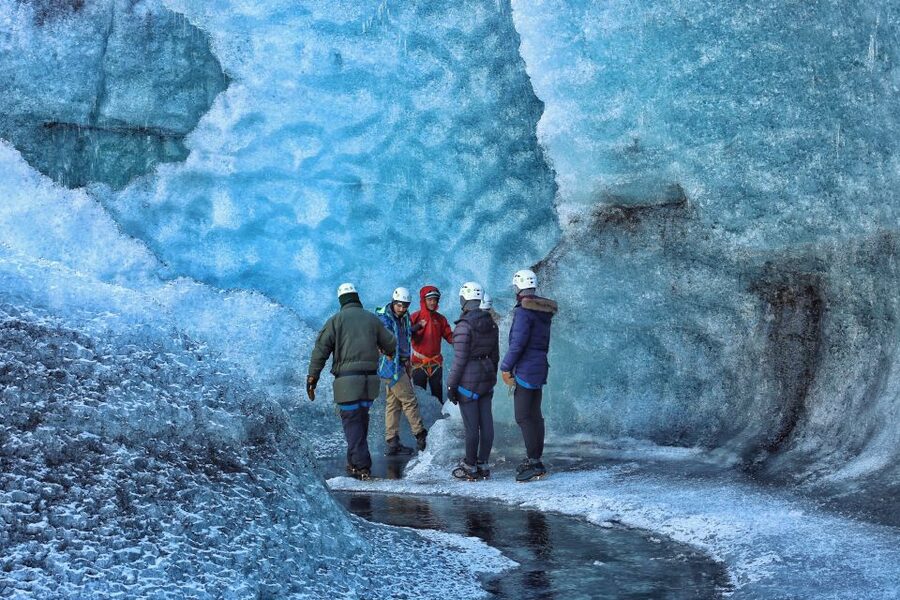
Ice under your boots changes Iceland fast. This guided outing from Jökulsárlón takes you onto Breiðamerkurjökull, an outlet glacier of Vatnajökull, where you can see crevasses, moulins, ash-marked ice, and sometimes brilliant blue ice. I like the super-jeep ride to the glacier and the careful, friendly guiding, especially from guides such as Guillermo, Iga, Javier, and Suzie.
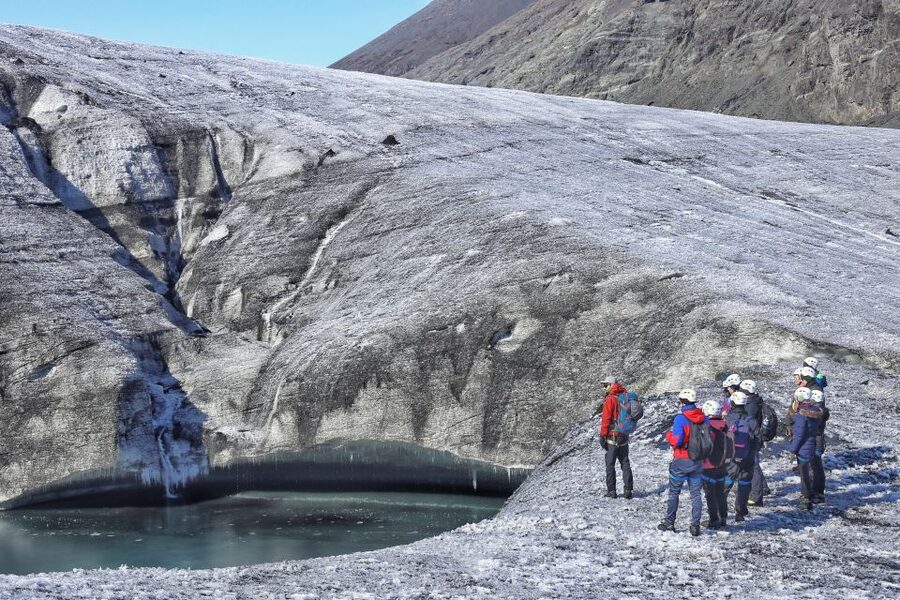
I also like that the tour gives you real time on the ice, about two hours and roughly 4 to 6 kilometers, rather than a quick photo stop at the edge. The main consideration is physical: this is rated medium, and you need to walk over uneven ice in wind, rain, and cold. The pretty blue ice shown in photographs is not guaranteed, and parts of the glacier can look gray or dirty in summer.
- You ride to the glacier in a super-jeep: The 40-minute drive is part of the fun, not just transport.
- You walk on Breiðamerkurjökull: This is a genuine glacier hike on an outlet of Europe’s largest glacier.
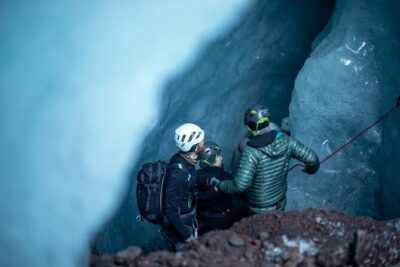
- You may enter a moulin or small ice cave: Conditions decide what is safe and possible on the day.
- Your guide changes the route to suit conditions: Some days favor covering more ground, while others focus on crevasses and ice features.
- Crampons, helmets, and harnesses are supplied: You bring the clothing and boots, but the technical safety gear is included.
- The glacier is changing before your eyes: The guiding connects the ice formations to melting, water flow, and changes around the lagoon.
From Jökulsárlón parking lot to the ice
You meet at the main Jökulsárlón parking area, beside the cafeteria and toilets. Look for the company’s large super-jeeps. This is not a hotel pickup excursion, so you need to make your own way to the lagoon.
The meeting time printed on your ticket is normally 08:30, 12:00, or 13:45. Do not arrive at the last second. The group spends about 30 minutes being fitted with crampons, helmets, and safety harnesses, and the vehicle leaves roughly 30 minutes after the stated meeting time.
This early wait has a nice side benefit. If you arrive ahead of schedule, you can look across Jökulsárlón, where icebergs calved from the glacier drift through the lagoon and toward the ocean. Some of this ice may be around 1,000 years old. The lagoon is worth seeing even if you are only there for the hike, so allow time to enjoy it rather than treating the parking area as a simple bus stop.
The preparation is practical rather than glamorous. Your guide explains how the equipment works and checks that you are ready. This matters if you have never used crampons. They give your boots grip on hard ice, but they do not turn a glacier into an ordinary walking trail.
The super-jeep ride is part of the adventure
The drive to the glacier takes about 40 minutes. The large vehicles can handle rough ground and make the approach feel like a proper expedition, although you should not expect a smooth sightseeing coach ride. Several people particularly enjoyed the bumpy trip and the size of the vehicles.
Once the jeep reaches its stopping point, you walk for about 15 minutes before getting onto the glacier. This approach adds a little effort, but it also helps you understand the setting. You are not stepping straight from a parking lot onto polished blue ice. The glacier is a working natural system with rock, ash, meltwater, uneven surfaces, and changing access points.
The ride back takes another 40 minutes, followed by arrival at the same Jökulsárlón parking area. With equipment fitting, transport, the approach walk, and time on the ice, plan on the full 4.5 hours. Do not schedule a tight appointment immediately afterward.
More Glacier Hikes in Iceland
- Skaftafell: Ice Cave Tour and Glacier Hike
★ 4.5 · 1,746 reviews - Skaftafell: Falljokull Glacier Easy Group Hike
★ 4.7 · 1,508 reviews - Reykjavik: Glacier Hike, Waterfalls and Black Sand Beach
★ 4.8 · 1,285 reviews
Two hours on Breiðamerkurjökull
The main portion lasts about two hours, covering roughly 4 to 6 kilometers. The route is not fixed like a city walking tour. Glacier conditions, recent weather, safe access, and the ability of the group all shape the day.
On one outing, your guide may prioritize walking farther across the glacier. On another, the group may spend more time near a small moulin, a vertical shaft formed by meltwater, or a safe crevasse. You might see ash-streaked ice, mountain views, channels carrying water beneath the surface, and pockets of blue ice.
That flexibility is one of the tour’s strengths. A glacier is not a museum exhibit waiting in exactly the same form every morning. Ice moves, meltwater cuts new channels, and access can change. A good guide uses the conditions to find the best safe features available, rather than forcing the same route every day.
It also explains why your outing may not match the most dramatic photographs. Bright blue ice caves are possible, and several outings included small caves or corridors, but they are not guaranteed. In summer, the upper surface can be dark with ash and debris. One outing included a remarkable ice cave descent, while another found the surface less photogenic than expected. Go for the glacier itself, not for a promise of a particular shade of blue.
What the guide adds to the walk
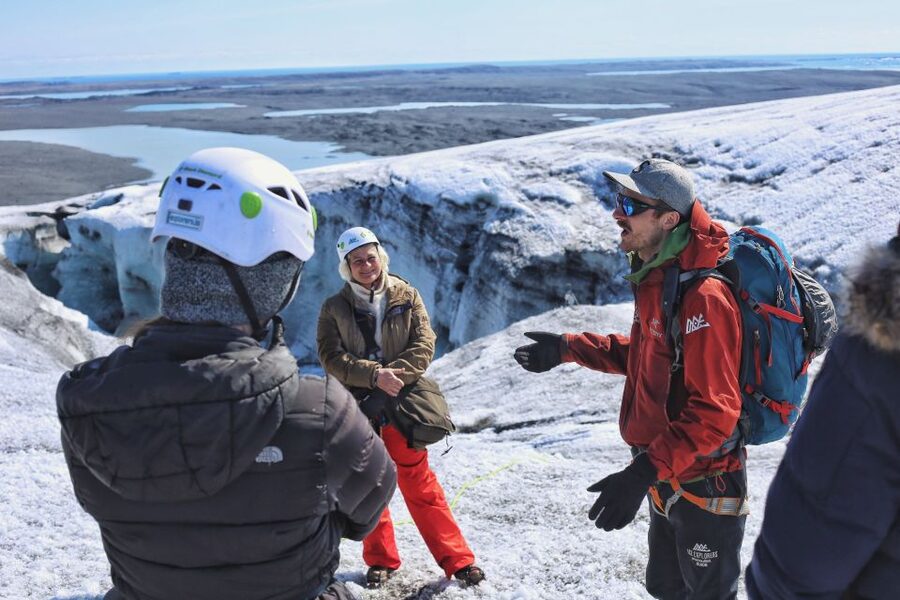
Without a guide, a glacier can look like a broad field of ice. With a good guide, the details begin to make sense. You learn how glaciers form, how they move, where water travels, and how melt affects the nearby area.
The guides receive especially strong praise for combining safety with a relaxed manner. Guillermo is repeatedly singled out for his care and enthusiasm. Iga is praised for her patience and passion for glacial features. Javier is described as clear, friendly, and good at adjusting the pace. Suzie is noted for explaining safety without making the outing feel stiff.
Other named guides include Floris, Avi, Thomas, and Aavi. Their styles differ, but the useful pattern is consistent: you get instruction before setting out, regular attention to footing, and explanations tied to what you can see under your boots.
The safety approach does not mean you are locked into a dull line. Guides have taken groups to look into crevices, water channels, and small ice caves when conditions allow. They also wait for people who need extra time or a short break. That is reassuring, but you should still be honest about your fitness. The group can adjust its pace only so far.
Is the glacier walk difficult?
The activity is rated medium. You need to walk 4 to 6 kilometers over changing surfaces and in varied weather. There can be ups and downs, uneven ice, and stretches where careful foot placement matters.
You do not need previous glacier experience. Most people arrive as first-time glacier walkers, and the supplied crampons make the ice manageable after a short introduction. You do need good general health and the ability to remain on your feet for much of the tour.
This is not a good choice for someone with a low fitness level, recent surgery, heart problems, or a serious mobility limitation. It is not suitable for wheelchair users or people with visual impairment. Pregnant people and children under 10 should not join.
The minimum age is 10, but there is also a footwear detail that families need to check. The crampons fit shoe sizes EU 35 to 48, approximately 22.5 to 31 centimeters. A child may meet the age requirement but still be unable to use the supplied equipment if their feet are smaller.
More Guided Day Hikes in Iceland:
- From Reykjavík: Landmannalaugar Day Hike
★ 4.7 · 662 reviews - Reykjavik: Thrihnukagigur Volcano Guided Hiking Day Trip
★ 4.9 · 564 reviews - Private Guided Hike Experience on Sólheimajökull Glacier
★ 5.0 · 41 reviews - From Marrakech: Ouzoud Waterfalls Guided Hike and Boat Trip
★ 4.7 · 33,630 reviews
What to wear for a cold, wet day
The glacier is usually no colder than the meeting point at the lagoon, but wind can make the outing feel much harsher. One August outing was described as very cold and windy, even though it took place in summer. Iceland does not care what month is printed on your calendar.
Wear warm, breathable layers and waterproof outer clothing suited to the forecast. Thermal clothing is useful, and outdoor clothing is essential. Bring sturdy hiking boots that cover your ankles and give good ankle support. Sandals, flip-flops, open-toed shoes, high heels, and casual shoes are not allowed.
The company supplies crampons, a helmet, and a harness. It does not include clothing or boots, though boot and rain-jacket rentals are available at the meeting point. If your clothing is unsafe for the weather, you may have to rent gear or be refused participation. That is a firm safety rule, and the cancellation terms still apply if you arrive unprepared.
Bring water and any food you need, since meals and drinks are not included. Travel insurance is also listed among the recommended items to bring. Do not count on buying lunch as part of the tour.
Blue ice, ash, and the changing glacier
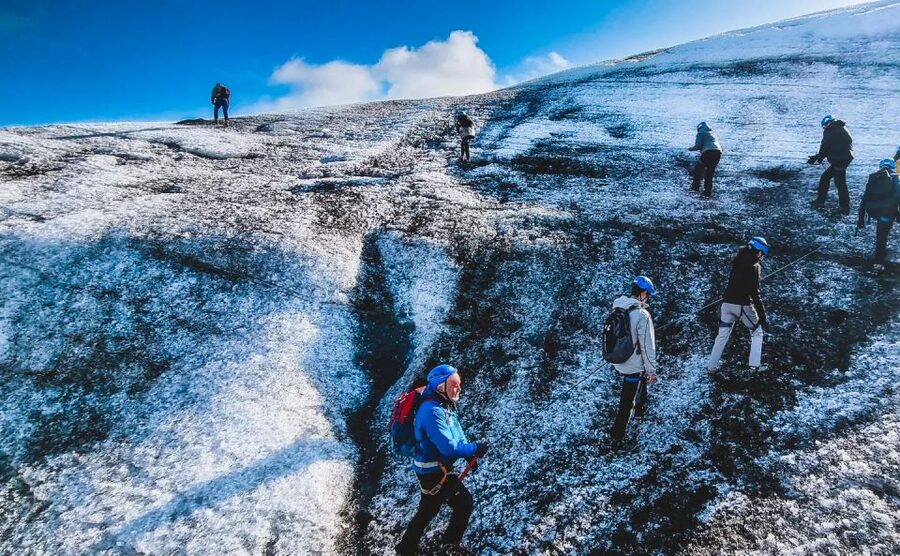
The best moments depend on reading the ice rather than waiting for one postcard view. You might see blue layers where dense ice absorbs much of the red light, dark bands of volcanic ash, or meltwater cutting through the surface. You might also look down into a crevice and see water moving below.
Several outings included a small ice cave, moulin, or corridor. These moments can be extraordinary, but they are weather and condition dependent. Ice caves change quickly, and a place that was safe to enter on one day may not be used on another. Your guide makes that call.
The less romantic side is just as important. The glacier is melting and changing quickly. Guides explain how the retreat affects the surrounding area, and the walk can turn into an unexpectedly clear lesson about climate change. You may notice that the glacier surface is not always clean white or blue. Ash, rock, and meltwater are part of the real thing.
I appreciate that the tour does not reduce the glacier to a pretty backdrop. You get the beauty, but you also get a sense of how temporary some features are. If seeing a particular cave is your only goal, you may leave disappointed. If you want to understand and physically experience a changing glacier, the unpredictability adds value.
Is $150 a fair price?
At $150 per person, this is not a cheap half-day outing. Still, the price includes the super-jeep transport, equipment, a trained guide, and roughly two hours on the glacier. You are paying for safe access to terrain you should not approach alone, not simply for a ride and a viewpoint.
The value is strongest if walking on a glacier is high on your Iceland list. You get far more contact with the ice than you would from viewing Jökulsárlón from the shore. The guide also gives meaning to what you see, which is difficult to gain from photographs or a short roadside stop.
The value is weaker if you want a relaxed sightseeing trip, dislike cold and wind, or mainly hope to enter a blue ice cave. The route and features depend on the day. In summer, the ice may look gray and ash-covered rather than glowing blue.
The high overall rating, 4.7 from 921 ratings, fits the main strengths: careful guides, strong organization, a memorable vehicle ride, and access to the glacier. The price feels justified for an active half-day, but only if you are prepared for the physical work.
Who should book this outing?
I would recommend it to you if you are in good general health, can walk 4 to 6 kilometers, and want more than a photo of a glacier from a distance. It suits families with children aged 10 and older whose feet fit the crampons, couples seeking a memorable outdoor activity, and first-time glacier walkers who want close instruction.
It is also a good choice for anyone interested in geology, glacial change, or the way meltwater shapes ice. You do not need technical climbing experience, and the guides provide the safety equipment and instruction.
I would not choose it for a low-effort day, for anyone with the listed medical or mobility restrictions, or for someone unwilling to dress properly. You should also skip it if you need a guaranteed ice cave or a fixed route. The tour’s best feature is its ability to respond to conditions, and that same flexibility means the result cannot be promised in advance.
Practical details before you reserve
Cancellation is free up to 24 hours before departure, with a full refund. Same-day cancellation and leaving partway through do not qualify, so assess your fitness before booking rather than hoping the route will be easier than described.
The tour runs in rain, wind, and cold. Check the forecast, but pack for worse conditions. The tour language is English, and hotel pickup and drop-off are not included.
Allow extra time at Jökulsárlón before or after the hike. The lagoon’s floating icebergs make a fine companion to the glacier outing, and arriving early gives you something worthwhile to do while you wait for your meeting time.
Should you book the Jökulsárlón glacier hike?
Book it if you want to put crampons on, ride into the ice country in a huge jeep, and spend real time walking across Vatnajökull’s outlet glacier. The combination of safe guiding, changing routes, and close views of crevasses and meltwater makes this far more substantial than a quick glacier photo stop.
Skip it if you need comfort, guaranteed blue ice, or a gentle walk. For the prepared and reasonably fit, $150 buys a rare kind of Iceland memory: not just seeing a glacier, but feeling its uneven surface under your feet while learning why it is changing.
FAQ
Where does the tour begin?
You meet at Jökulsárlón Main Parking on Þjóðvegur, beside the cafeteria and toilets. The super-jeeps are parked in the lot.
How long does the tour last?
The full activity lasts about 4.5 hours, including equipment fitting, transport, the approach walk, time on the glacier, and the return journey.
How much time do you spend walking on the glacier?
You spend approximately two hours on Breiðamerkurjökull and walk about 4 to 6 kilometers.
How long is the drive to the glacier?
The super-jeep drive takes about 40 minutes each way.
Is glacier hiking experience required?
No. Previous glacier experience is not required. Your guide introduces you to the safety equipment before the walk.
What equipment is included?
Crampons, a helmet, and a safety harness are included.
Do I need to bring hiking boots?
Yes. You need sturdy hiking boots that cover your ankles and provide good support. Boots are not included, although rentals are available at the meeting point.
Is there a minimum age?
Yes. The minimum age is 10. Children must also fit the supplied crampons, which accommodate approximately EU shoe sizes 35 to 48.
Is an ice cave guaranteed?
No. Small ice caves, corridors, moulins, and crevasses may be visited when conditions allow, but the route and features change from day to day.
What happens if the weather is bad?
The tour operates in rain, wind, and cold. You must bring clothing suitable for the conditions, and the guide chooses the safest route available that day.
Just added around Iceland
- From Jökulsárlón: Vatnajökull Easy Level Glacier Hike★ 4.2 · 20 reviews
- Hiking with Husky in Akureyri (private)★ 5.0 · 44 reviews
- Private Guided Hike Experience on Sólheimajökull Glacier★ 5.0 · 41 reviews
- Private Jökulsárlón Glacier Lagoon 2 Day Tour & Glacier Hike★ 5.0 · 159 reviews
- Private South Coast and Glacier Hike – With photos★ 5.0 · 49 reviews
- Inside the Volcano: Small-Group Tour and Lava Field Hike★ 5.0 · 168 reviews
- 2-Day South Coast Waterfalls, Jokulsarlon Glacier Lagoon and Hike from Reykjavik★ 5.0 · 177 reviews
- Skaftafell: Blue Ice Glacier Hike on Vatnajökull★ 4.5 · 174 reviews
Skaftafell Hiking Tours, compared.
Skaftafell National Park: Falljokull Glacier Advanced Hike
Read our review →
Skaftafell Glacier Hike 3-Hour Small Group Tour
Read our review →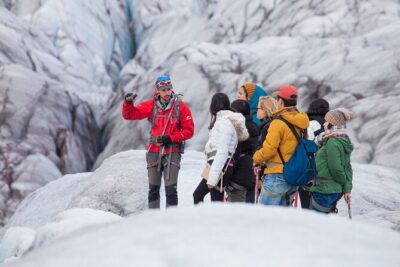
Blue Ice Discovery – Guided Glacier Hike from Skaftafell
Read our review →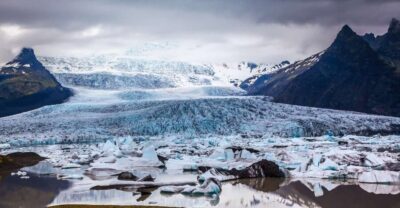
Glacier Hike from Skaftafell – Extra Small Group
Read our review →
Browse the lists this tour appears in