
REVIEW · IRELAND HIKING TOURS
Bog Safari Hike
Peat under your boots changes how you see Ireland. The Bog Safari Hike takes you into an ancient Donegal peatland, where turf cutting, old stories, biodiversity, and climate science meet under wide Wild Atlantic Way views. I like the small maximum of 12 people, and I like that guide Sharon brings the bog to life with approachable stories and local knowledge. The main catch is simple: this is a real outdoor walk, so wet weather and moderate fitness are part of the bargain.
You’ll spend about two hours walking from the meeting point at Ballyannon in County Donegal and return there at the end. At $50.60 per person, the price is fair if you want an experience rooted in local culture rather than another quick photo stop. It is less suitable if you want an easy stroll with guaranteed dry footing or a fully planned meal included.
Key things to know before you book
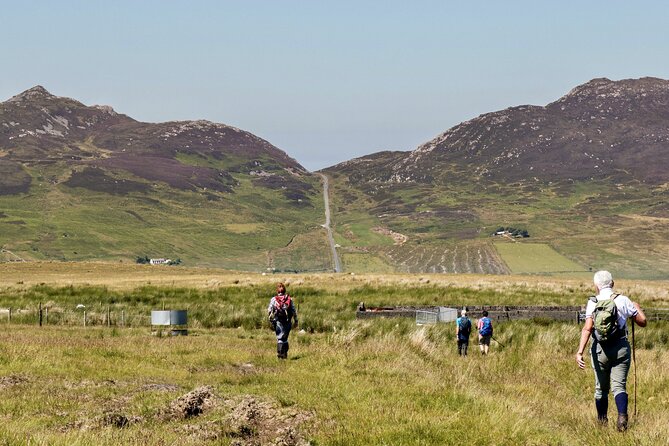
- You walk through a working Irish bog: The experience connects ancient peatland with traditional turf cutting and present-day local life.
- Sharon is a major part of the appeal: Her chatty, approachable style brings together folklore, natural history, and everyday stories.
- The group is capped at 12 people: That gives you a better chance to ask questions and keep close to the guide.
- The views reach across Inishowen and West Donegal: This is a quiet way to see the Wild Atlantic Way far from busy visitor sites.
- The walk covers more than scenery: You’ll hear about bog formation, an ancient monastic site, biodiversity, climate change, and green energy.
- Plan around the weather: Poor conditions can lead to a new date or a full refund, and the hike requires moderate fitness.
Why a Donegal bog is worth your time
Many visitors come to Ireland looking for cliffs, castles, and green fields. Those are fine goals, but the bog explains something deeper about how people lived on this island. Peatlands provided fuel, shaped local work, supported unusual plants and wildlife, and carried stories from one generation to the next.
This walk gives you a chance to look closely at that setting instead of simply passing it from a roadside viewpoint. You are not just taking in a broad view. You are learning how the ground formed, how people used it, and why peatland matters now.
I especially like the connection between old and new. The walk covers traditional turf cutting, then turns to the bog’s role in the fight against climate change and the presence of green energy in the area. That gives the experience a useful present-day edge. You come away with more than folklore and pretty scenery.
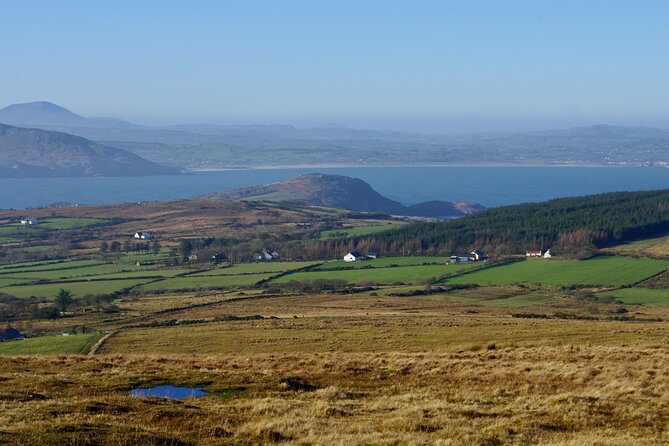
The setting is also a good choice if you want space. The route offers broad views over the Wild Atlantic Way of Inishowen and West Donegal, with a strong chance to feel removed from the crowds found at Ireland’s best-known stops. The description does not promise a particular wildlife sighting, so treat the biodiversity as a subject you will learn about, not a checklist of animals and plants.
More Safaris around Ireland:
- Howth Safari Hiking Tour
★ 5.0 · 279 reviews - Dublin: Howth Safari Hiking Tour
★ 5.0 · 70 reviews - Rainforest Hike and Waterfall Safari
★ 5.0 · 567 reviews
Starting at Ballyannon and finding your footing
The hike begins at the meeting point identified by the Plus Code 5GV4+H8 in Ballyannon, County Donegal. Since transportation is not included, you need to arrange your own way to the start. The activity finishes back at that same meeting point, which keeps the logistics straightforward once you arrive.
The first moments of a walk like this matter. A bog can look like open ground from a distance, but your guide leads you through it and explains what you are seeing. That guidance is important because the appeal is not simply walking across a wild area. It is understanding the ground beneath you and moving through it with care.
You should arrive ready for changing outdoor conditions. The experience requires a moderate level of fitness, and the information provided describes the activity as moderate to challenging exercise when asking you to disclose medical conditions that could affect participation. This is not the right pick if you are looking only for a flat, paved path with benches and a short photo stop.
The two-hour duration is a useful middle ground. You have enough time to hear the story of the bog and reach the scenic viewpoints, but the outing does not take over an entire day. That makes it easier to combine with other Donegal plans, though you should leave room for driving and weather-related changes around the scheduled start.
Reading the bog through time
The first major theme is how the peatland formed. The bog is described as an ancient and primeval setting, and the guide uses it to explain the long process behind this type of ground. That background gives meaning to the walk. Instead of seeing a stretch of wet vegetation, you begin to understand it as a place created over a very long period.
Next comes the human story. You’ll hear about myths and legends connected with the bog, along with an ancient monastic site. The exact details of the site are not provided, so you should not expect a full archaeological tour or a large preserved complex. Its value is in showing how spiritual and cultural life became tied to this remote part of Donegal.
The tour also covers traditional turf cutting. This is one of the most useful parts for anyone trying to understand rural Ireland. Turf was not simply a souvenir image of the old days. It formed part of ordinary life, and the bog still has a place in the daily routines of local people.
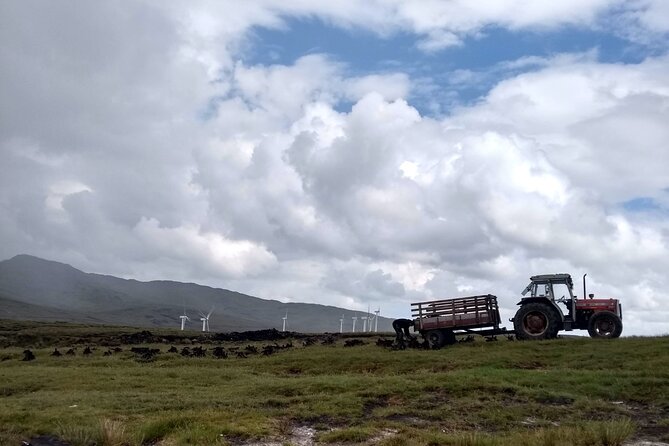
That point becomes especially clear when the walk encounters a local person working in the bog. This is not guaranteed on every departure, but it happened during one especially praised outing and added a direct link to present-day use. If you happen to see similar work during your visit, you’ll get a much clearer sense of how the bog remains part of the community rather than an outdoor museum.
Sharon’s approach seems to suit this subject well. Her style is described as chatty and approachable, with a mix of wisdom, information, and local lore. I would choose this walk partly for that personality. A technical explanation of peatland can feel dry if delivered as a lecture. A guide who connects it to stories and local experience makes the subject easier to remember.
Biodiversity, climate change, and green energy
The bog’s natural life gets its own place in the walk. You’ll learn about the unique biodiversity supported by peatland, though no specific species list is provided. That means you should bring curiosity rather than expect a formal wildlife survey.
The climate discussion is another strong reason to choose this experience. Peatlands matter in the fight against climate change, and the walk explains their role in that wider issue. You get a local view of a global subject, which is more useful than hearing a general statement in a visitor center.
The route also brings you past green energy in action. The exact form of the energy project is not specified, so the guide’s explanation will be more important than expecting a particular installation or demonstration. Still, the combination of ancient bog, modern energy, and changing environmental priorities gives the walk a good sense of place and time.
This is where the hike earns its price. You are paying for a guided interpretation of the area, not just access to open ground. If you are interested in ecology, rural culture, or the choices facing Ireland’s peatlands, the information adds real value.
A few more hikes around Ireland worth a look
- From Dublin: Game of Thrones Winterfell Locations Trek
★ 5.0 · 814 reviews - Dublin Coastal Hike, Pints & Puppies Adventure
★ 5.0 · 647 reviews - Cliffs Of Moher Hiking Tour from Doolin – Small Group
★ 5.0 · 324 reviews - Dublin Coastal Hike with Howth Adventures
★ 5.0 · 289 reviews
Views across Inishowen and West Donegal
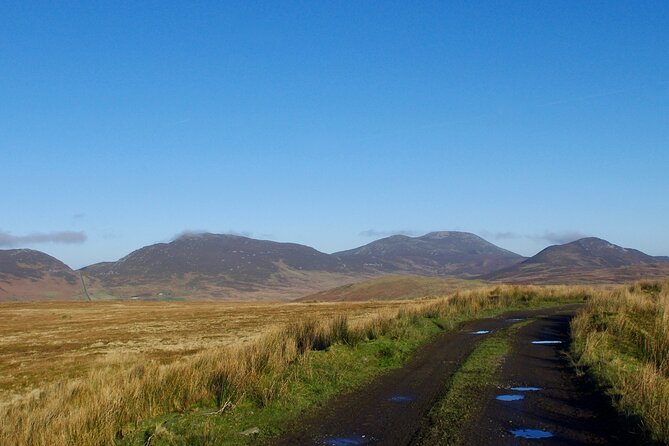
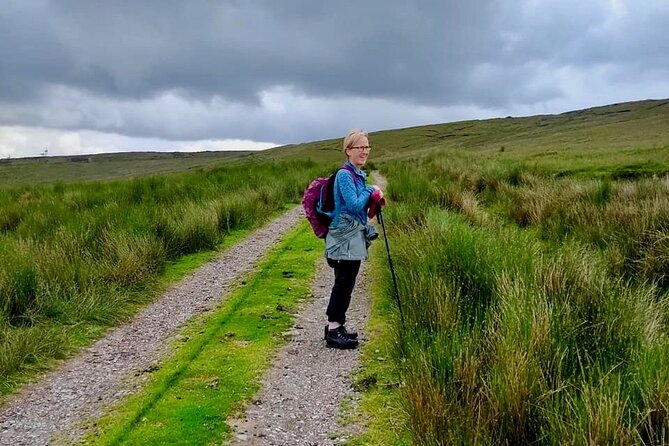
The scenery provides the big visual reward. From the bog, you can enjoy panoramic views across the Wild Atlantic Way of Inishowen and West Donegal. The wide outlook contrasts nicely with the close-up details underfoot, such as peat, vegetation, and the track through the bog.
These are the kind of views that benefit from a little patience. The experience is not designed as a rapid sequence of photo stops. You walk, listen, and gradually see how the bog fits into the wider Donegal setting. I like that balance. It gives the scenery a story rather than treating it as a background.
Weather will shape the views, as it shapes the walk itself. On a clear day, the distant panorama may be the highlight. In mist or rain, the bog’s mood and texture may take over instead. The experience requires good weather, and a cancellation for poor conditions brings either another date or a full refund. That policy is sensible for a hike where safety and visibility matter.
You should also remember that the route is not aimed at escaping all physical effort. The guide leads every step, but the guide cannot remove the need to walk over outdoor ground. Wear suitable footwear and clothing for a wet Irish setting, even though the supplied details do not prescribe a particular kit.
What the small group changes
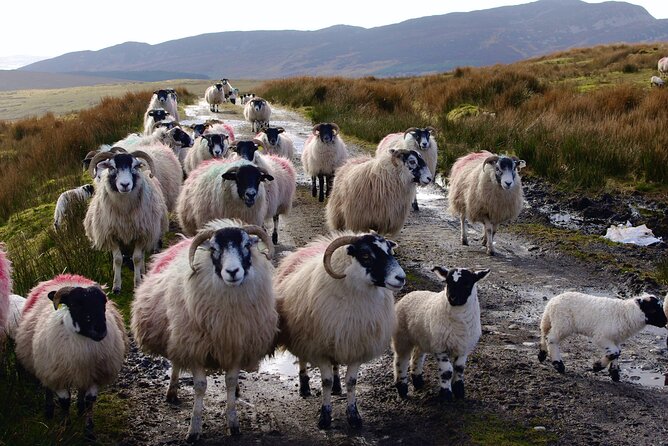
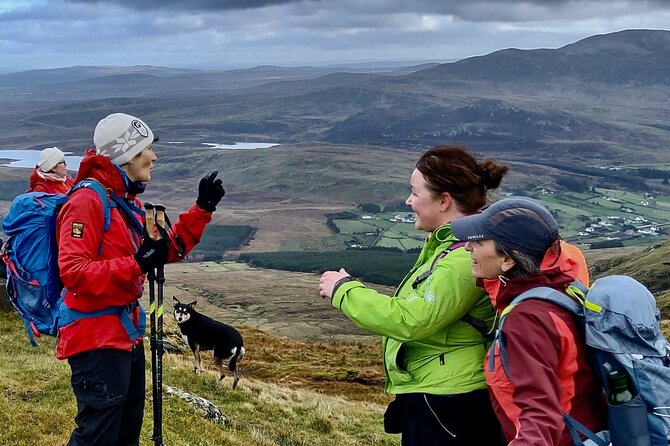
The maximum group size is 12 people. That is small enough to feel personal without requiring a private booking. You can stay near the guide, hear explanations more clearly, and ask questions without holding up a large crowd.
A small group also suits the subject. The bog is not an attraction built around a big viewing platform or a scripted performance. Its value comes from conversation and observation. A dozen people gives the guide room to respond to interests, explain local customs, and point out features that a larger group might rush past.
Private and exclusive bookings can be adapted to individual requirements. You need to contact Solas Ireland Walks and Hikes directly to discuss those changes, and no specific alterations are guaranteed in advance. This option may work well for a family group, club, or private party that needs a different pace or focus.
Service animals are allowed. The supplied information does not provide detailed accessibility guidance for the route, so you should discuss any particular mobility needs with the provider before booking. The moderate fitness requirement is the clearest indication that the walking conditions may not suit every ability level.
Is $50.60 good value for two hours?
At $50.60, this is not the cheapest way to spend two hours in Donegal. You could find a free public viewpoint or walk on your own for less. The comparison is not quite fair, though, because the fee covers a guided experience with local interpretation, cultural context, and access to a focused walk through a distinctive peatland setting.
The small group improves the value. You are not paying for a large coach outing where the guide must repeat a fixed speech. You are paying for time with a guide who can explain the bog’s formation, folklore, monastic connection, traditional work, wildlife, climate role, and green energy.
Lunch is not included. It can be arranged for an extra charge by contacting the provider directly, but the price and menu are not stated. If you want lunch, plan ahead rather than assuming it comes with the hike.
For me, the value is strongest when you care about local stories and the environment. If you only want a short walk with dramatic scenery, the price may feel high. If you want to understand a part of Ireland that many visitors skip, the guided context makes the cost easier to justify.
Who should book the Bog Safari Hike?
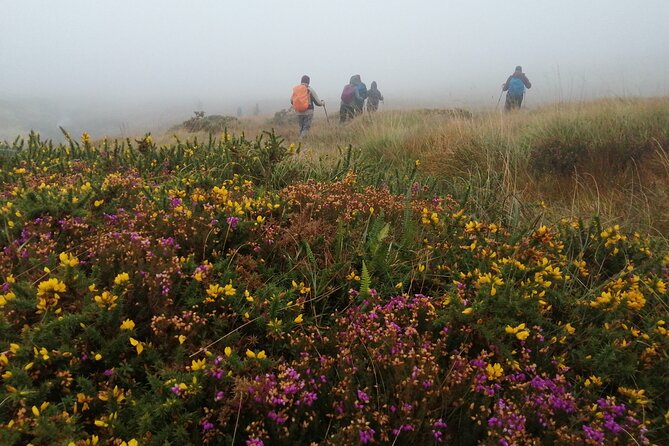
I would recommend this for curious walkers who enjoy learning while they move. It suits people interested in Irish culture, rural traditions, folklore, peatlands, climate issues, and less crowded parts of County Donegal.
It also works well for a traveler who has already seen famous coastal viewpoints and wants something different. The experience offers scenery, but it does not depend on a famous monument or a major visitor attraction. The bog itself is the subject.
You should think twice if you dislike wet conditions, have difficulty with moderate exercise, or want a predictable indoor activity. Weather can cancel the hike, and the ground is likely to feel more natural and uneven than a town walking tour.
The strongest praise goes to Sharon’s style. She combines information with local lore and an easy conversational manner. That personal touch matters here because the bog can be hard to understand without someone to connect the physical setting to Irish life.
Booking, weather, and cancellation details
Confirmation is provided at booking. The experience is offered in English, includes a mobile ticket, and is capped at 12 people. It is commonly reserved well ahead of time, with an average booking lead of about 38 days, so I would not leave it until the last minute if your Donegal dates are fixed.
You can cancel up to 24 hours before the local start time for a full refund. Changes or cancellations inside that 24-hour window are not accepted for a refund. If poor weather cancels the walk, you’ll be offered another date or a full refund. The same applies if the minimum number of participants is not reached, with the option of another date or experience.
Should you book it?
Book the Bog Safari Hike if you want Donegal explained from the ground up, literally. The combination of ancient peatland, turf cutting, local lore, monastic history, environmental discussion, green energy, and broad coastal views gives you a thoughtful two-hour experience at a reasonable price for a small guided group.
Skip it if you need an easy, weatherproof outing or if moderate walking is beyond your comfort level. For everyone else, especially those who want a quieter and more local side of the Wild Atlantic Way, this is a strong choice. Go prepared for the weather, arrive ready to listen, and give the bog time to show you why it matters.
FAQ
Where does the Bog Safari Hike start?
It starts at the meeting point identified by Plus Code 5GV4+H8 in Ballyannon, County Donegal, Ireland.
Where does the hike finish?
The activity ends back at the same meeting point where it begins.
How long does the experience last?
The guided hike lasts approximately two hours.
How many people can join the hike?
The maximum group size is 12 people.
Is lunch included?
No. Lunch is not included, but it may be provided for an additional charge if you contact the provider directly to arrange it.
What fitness level is required?
Participants should have a moderate level of physical fitness. You should also disclose any medical condition that could affect your ability to take part in moderate to challenging exercise.
What happens if the weather is poor?
If the hike is canceled because of poor weather, you’ll be offered a different date or a full refund.
Just added around Ireland
- Horse riding – Dirt Trek Trail. Lisdoonvarna, Clare. Guided. 1 hour.★ 5.0 · 12 reviews
- Cliffs of Moher Hiking Tour from Galway – Small Group★ 5.0 · 74 reviews
- Trek the Tombs and Trails in the Dublin Mountains★ 5.0 · 14 reviews
- Glendalough Night Hike and History Tour★ 5.0 · 55 reviews
- Howth Hiking Trail from Dublin: Mythology and Legend★ 5.0 · 77 reviews
- Toe Head Clifftop Hike in West Cork★ 5.0 · 48 reviews
- Dublin: Dublin Coastal Hike and Pints & Puppies★ 5.0 · 70 reviews
- Dublin: Howth Safari Hiking Tour★ 5.0 · 70 reviews
Ireland Hiking Tours, compared.
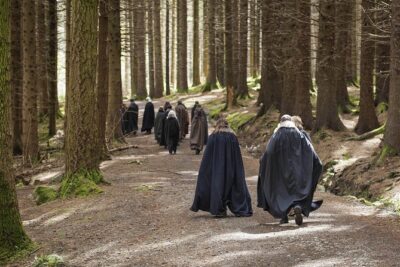
From Dublin: Game of Thrones Winterfell Locations Trek
Read our review →
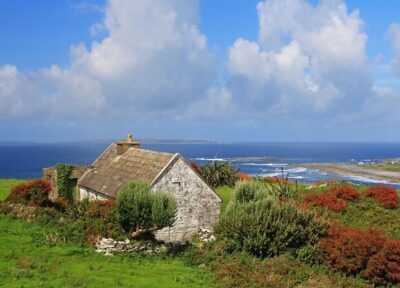
Cliffs Of Moher Hiking Tour from Doolin – Small Group
Read our review →
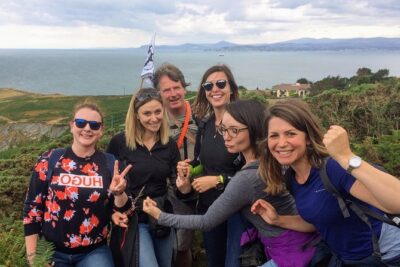
Howth Hiking Trail from Dublin: Mythology and Legend
Read our review →
Cliffs of Moher Hiking Tour from Galway – Small Group
Read our review →Browse the lists this tour appears in