
REVIEW · SPAIN HIKING TOURS
Alicante: Via Ferrata del Ponoig Guided Trek and Climb
Feel the mountain under your hands. This guided climb on Via Ferrata del Ponoig combines a steep metal-staple route, wide views over the Valley of Guadalest, and a small group capped at 10 people. I like the proper safety equipment and the time spent learning basic wall climbing before the real ascent. I also like that guides such as Osmar and Frank have been praised for calm instruction and patient pacing. The main caution is simple: this is a serious physical activity, not a gentle mountain walk.
For $65, you get about five hours, a guide, helmet, harness, Ferrata kit, and photos. That is a fair price for a guided technical outing, especially if you do not own the equipment. You must bring hiking shoes, water, food if needed, and sun protection. Vertigo, limited mobility, pregnancy, and being under 18 are all reasons to choose another activity.
Key points to know before you book
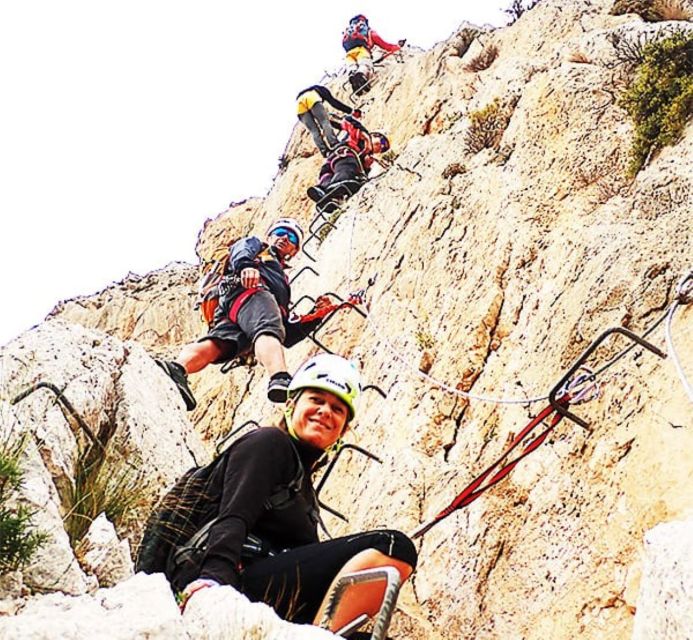
- A K4 route with near-vertical climbing: You will pull yourself upward using thick metal staples and a fixed safety cable.
- Practice comes before the climb: Your guide introduces basic wall-climbing skills before you start the main route.
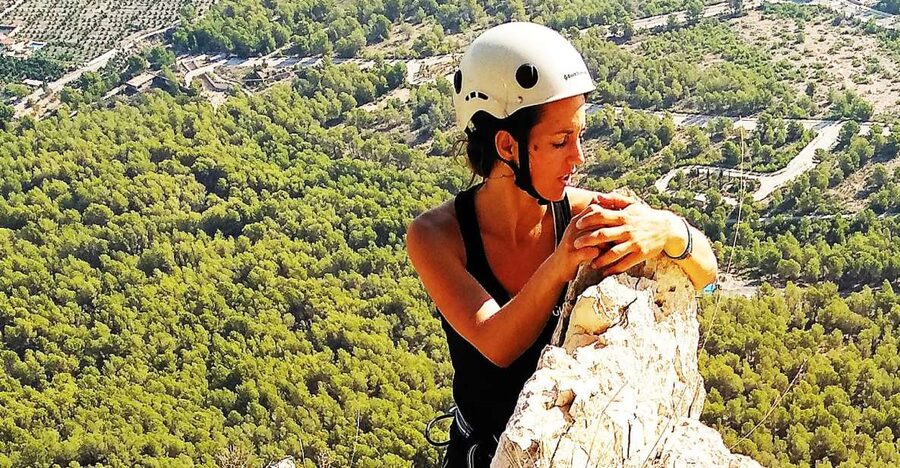
- Big views reward the effort: Look across the Valley of Guadalest, the Sierras de Aixortá and Bernia, and the Mediterranean coast.
- Safety gear is included: A helmet, harness, and Ferrata kit are provided, but proper hiking shoes are not.
- Small groups help with pacing: The group is limited to 10 people, with instruction in English or Spanish.
- Bring more water than you think: Sun, rock, and sustained physical effort can make a five-hour outing feel demanding.
Why Via Ferrata del Ponoig is more than a hike
A via ferrata sits between hiking and rock climbing. You follow a prepared route across and up a cliff, using metal footholds and handholds fixed into the rock. A steel cable runs beside the route, allowing you to connect your safety system as you move.
That setup makes the activity more accessible than traditional climbing, but it does not make it easy. The K4 rating points to a route with steep, exposed sections and a meaningful physical challenge. You need to step high, pull with your arms, keep your balance, and stay focused on the next section.
I like this format because you get the direct feel of the rock without having to bring your own ropes or plan an independent climb. You also get a guide who can show you how to use the equipment and help you judge your pace. The route still asks plenty from you, though. A helmet does not remove the need for steady feet and sensible decisions.
The setting adds another layer. From the Ponoig route, the view opens toward the Valley of Guadalest, the Sierras de Aixortá and Bernia, and the Mediterranean coast. You are not simply walking toward a viewpoint. You are earning each change in perspective as you climb above the surrounding country.
More Guided Tours around Spain:
- La Palma: Tajogaite Volcano Guided Trek
★ 4.8 · 1,810 reviews - From Valencia: Montanejos Guided Hike with Natural Pools
★ 4.5 · 1,741 reviews - Lanzarote: Guided Volcano Hike with Transfers
★ 4.9 · 861 reviews
Meeting at Parking Vía Ferrata Ponoig
The activity begins at Parking Vía Ferrata Ponoig, where you meet the guide at the base of the route. Look for a visible sign held by the guide. This is useful at a trailhead, where several people may be preparing for outdoor activities at the same time.
The meeting point is also the return point, so you do not need to arrange a second pickup location. Transportation to the parking area is not listed, which means you should plan your own way there and allow enough time to find the meeting spot.
The total experience lasts five hours, while the main guided route is described as about four hours. That difference likely allows time for meeting the guide, gearing up, practicing, and returning to the parking area. Check the available start times carefully when you book, since the exact schedule is not fixed in the information provided.
This is not the kind of activity where arriving with a coffee in one hand and beach sandals on your feet will work. Wear hiking shoes, bring water, and choose clothing suited to the weather. The guide may provide the technical kit, but you are responsible for being dressed for a mountain route.
Gearing up and learning the basics
Once you meet the guide, you receive a helmet, harness, and Ferrata kit. The equipment is included in the price, which makes a real difference if this is your first via ferrata or if you are visiting Alicante without outdoor climbing gear.
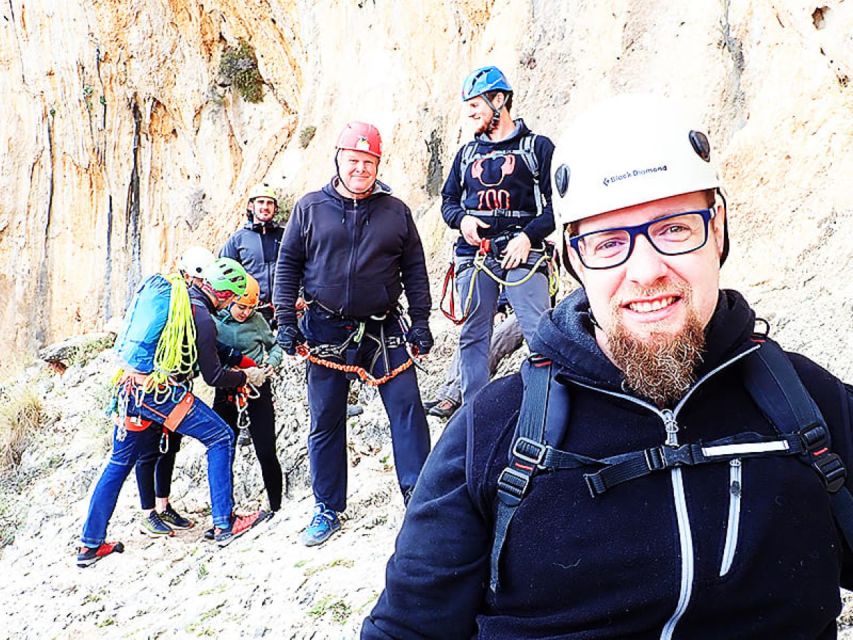
Before heading onto the main route, the guide practices basic wall climbing with you on a rock wall. This is one of the best parts of the plan. It gives you a chance to learn how the harness and safety system work before the ground becomes steep.
Pay close attention during this briefing. You will need to understand how to move your connections along the safety cable and how to use the metal steps without rushing. The guide is also watching how comfortable you look, which helps the group start at a sensible pace.
The instruction is available in English and Spanish. Osmar has been praised for explaining the instructions clearly and patiently, while Frank received praise for his friendly approach and ability to communicate well in English. Those details matter here. Clear communication is not a decorative extra when you are attached to a cliff.
The first metal staples on Ponoig
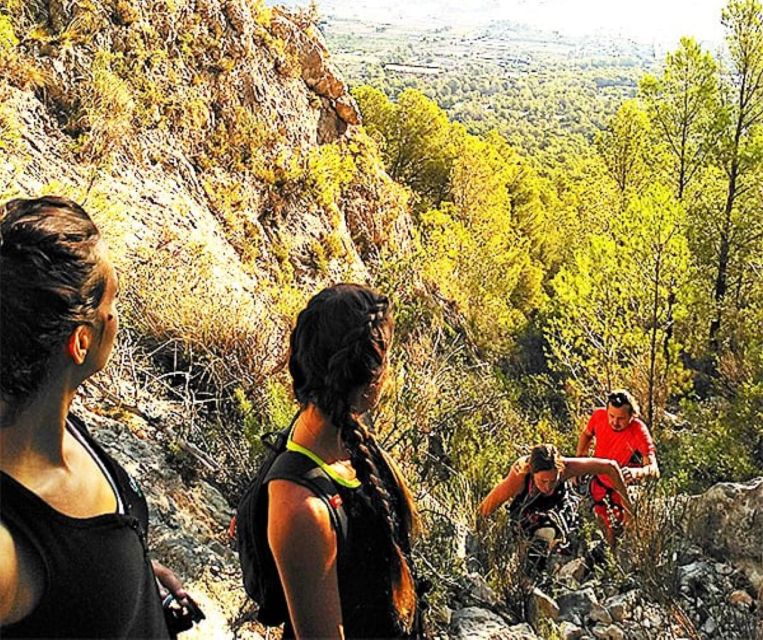
After the practice section, the route heads upward. The climb uses thick metal staples fixed into the rock, giving you footholds and handholds as the cliff steepens. A newer security cable provides the line for your Ferrata system.
At first, the challenge is often mental as much as physical. You may find yourself looking for the next staple while trying not to stare too far down. Keep your attention on your feet, your hands, and the instructions from the guide. The activity is designed to be guided, so you do not need to solve the route alone.
The nearly vertical character is the main reason to book this rather than a normal hike. You get the sensation of climbing straight up a cliff, but the prepared route gives you a clear sequence to follow. It is active and exciting without requiring traditional rope-climbing skills.
Still, do not treat the staples like a staircase. You will be using your legs, arms, core, and balance for several hours. If you are new to climbing, the guide can help you find a rhythm. The small group size, limited to 10 people, should also make it easier to receive attention than on a large commercial outing.
A few more hikes around Spain worth a look
- From Seville: Caminito del Rey Hike Day Trip
★ 4.5 · 1,240 reviews - Lanzarote: Hike Across Timanfaya’s Volcanic Landscapes
★ 4.8 · 1,234 reviews - The Volcano Heart Tour: Hiking, Tasting and Sunset Experience
★ 5.0 · 1,120 reviews - From Barcelona: Montserrat Monastery, Easy Hike, Cable Car
★ 4.9 · 1,021 reviews
Views across Guadalest and the Mediterranean
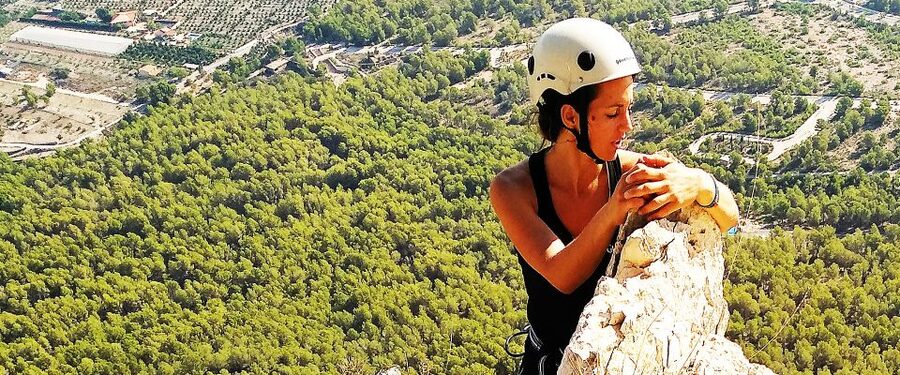
The scenery changes as you gain height. You can look over the Valley of Guadalest, then out toward the Sierras de Aixortá and Bernia. The Mediterranean coast appears from above, giving the climb a strong sense of place.
I like that the views are not saved for a single finish-line moment. On a route like this, every pause can offer a different angle. You may stop to catch your breath, check your equipment, or wait for the person ahead, and the surrounding mountains and coast provide something to study while you do.
The views also help explain why this route feels more rewarding than an indoor climbing wall. The rock, exposure, weather, and distance are all part of the experience. You are working in an actual mountain setting, not simply completing a series of artificial holds.
Sun can make a big difference. One participant specifically advised bringing plenty of water and sun cream, along with a small rucksack and some sweets. That is practical advice for a route where you may spend hours exposed to open sky. The activity does not include food or drinks, so pack your own supplies.
What the guide adds to the experience
A guide is especially useful on a K4 via ferrata. The job is not only to lead the way. The guide introduces the safety system, demonstrates climbing basics, watches the pace, and helps you stay calm when the rock becomes steep.
The strongest praise for this experience focuses on the guides. Osmar was described as patient and clear. Frank was praised for his friendly manner, English, and ability to give the right amount of explanation. Another detailed assessment highlighted a guide who adapted well to the group’s pace and created a reassuring atmosphere.
That matters because confidence can change from one section to the next. A person who feels comfortable on the practice wall may become more cautious when the route turns aerial. A good guide can keep the group moving without making a nervous climber feel hurried.
You should still be honest about your ability and comfort level. The guide can explain technique and manage the route, but cannot remove the physical demands or the exposure. If you have vertigo, this is not a good place to test your limits.
Physical demands, exposure, and who should skip it
The activity involves significant physical effort and a nearly vertical climb. You will need enough strength and stamina to climb metal staples for a sustained period, remain alert, and handle a changing route.
You do not need to be an expert climber based on the way the activity is organized. The practice session and guided support make it suitable for some first-timers who are fit and comfortable with heights. The route is still not a beginner-friendly stroll, so I would choose it only if you already know that steep climbing sounds exciting rather than frightening.
The activity is not suitable for children under 18, pregnant women, or people with mobility impairments. It is also not suitable for people with vertigo. Those limits are important, not casual fine print. You should be able to climb, balance, and move naturally in a harness.
Wear hiking shoes with a solid grip. Shoes are not included, and ordinary casual footwear may leave you less secure on the rock. Bring weather-appropriate clothing as well. Conditions can affect comfort, and the outing runs for several hours.
Is $65 good value?
At $65 per person, this is a reasonable price for a five-hour guided technical activity. You receive the guide, safety gear, and photos, which covers the items that can make an independent attempt costly or impractical.
The value is strongest if you are new to via ferrata. Buying or renting a helmet, harness, and Ferrata kit for one outing can add expense and hassle. You also get instruction before the climb and help during the route, rather than trying to learn the system from a diagram.
The price is less generous if you already own all the gear and have strong via ferrata experience. In that case, you are paying mainly for the route access, guiding, group support, and photos. You may prefer an independent outing if that is permitted and you are fully qualified, though the guided format remains the safer choice for anyone unfamiliar with Ponoig.
Food, drinks, and shoes are not included. These are small extra costs, but you should factor them in. A rucksack, water, sun cream, and a snack can make the difference between enjoying the day and simply trying to get through it.
Group size, language, and pace
A maximum of 10 people keeps the outing small enough for instruction to remain useful. It is not a private climb, so you will still be moving at the pace of the group. That can be a plus if you like a social outing, but it may mean waiting at narrower sections or moving more slowly than you would alone.
The guide speaks Spanish and English. This is particularly valuable during the safety briefing, when a misunderstanding could cause trouble later. If you have any concern about terminology or equipment, ask before leaving the practice wall.
The guide can adapt the pace, but the activity has a set duration and a demanding route. The experience is best for someone who can accept brief pauses and group movement without expecting a private coaching session.
Photos, memories, and the return to the parking area
Photos are included, giving you a record of the climb without needing to handle your phone on the rock. That is useful on a route where your hands should stay focused on climbing and the safety system.
The route returns to Parking Vía Ferrata Ponoig, where the activity ends. You do not need to coordinate a separate finish point. Once back at the parking area, you can collect your belongings and continue your day, though you may want time to rest after several hours of climbing.
The photos also capture something that ordinary mountain snapshots often miss: you attached to the cable, standing on small metal steps, with the Mediterranean and mountain ranges behind you. That visual record reflects the effort involved.
Should you book Via Ferrata del Ponoig?
Book it if you want a real physical challenge, feel comfortable with heights, and like the idea of climbing a mountain rather than simply walking around it. The $65 price is fair, the equipment is supplied, and the guide-led practice makes the experience more approachable for fit beginners.
I would be especially happy booking with a guide such as Osmar or Frank, based on the strong praise for patient explanations, calm support, and good English. Still, the named guide may depend on the date, so do not assume one specific person will lead your outing.
Skip it if you have vertigo, limited mobility, are pregnant, or want a relaxed half-day in the hills. Ponoig asks for effort and focus. If that sounds like the fun part, you get a memorable route, serious views, and a proper taste of cliff climbing above the Alicante area.
FAQ
Where does the Via Ferrata del Ponoig activity begin?
It begins at Parking Vía Ferrata Ponoig. Look for the guide holding a visible sign.
Where does the activity finish?
The outing returns to Parking Vía Ferrata Ponoig.
How long does the experience last?
The total duration is five hours. The guided climb and tour portion is listed as about four hours.
What equipment is included?
A climbing guide, helmet, harness, Ferrata kit, and photos are included.
Are hiking shoes provided?
No. Shoes are not included, so you need to bring hiking shoes.
What else should I bring?
Bring water, hiking shoes, and clothing suitable for the weather. Food and drinks are not included. Sun cream and a small rucksack are also useful practical choices.
What languages does the guide speak?
The activity is available with a live guide speaking Spanish or English.
How many people can join the group?
The group is limited to 10 participants.
Is the climb suitable for children?
No. The activity is not suitable for children under 18.
Is the route suitable for people with vertigo or mobility impairments?
No. It is not suitable for people with vertigo or mobility impairments. It also involves significant physical activity and a nearly vertical climb.
Just added around Spain
- From Barcelona: Montserrat Mountain Hike and Abbey Tour★ 4.8 · 38 reviews
- Barcelona: Costa Brava Hiking, Sea Kayaking & Lagoon Dipping★ 5.0 · 119 reviews
- Caminito del Rey Full Experience+ 2-Hour E-Bike guided Tour★ 4.9 · 20 reviews
- El Torcal de Antequera Hike with Transfer★ 5.0 · 33 reviews
- El Chorro: Zipline, Bridge, and Hiking Adventure Tour★ 5.0 · 8 reviews
- Sant Elm: Guided kayak tour to the Island Dragonera & Hiking★ 4.8 · 16 reviews
- Chulilla: Hanging Bridges & Canyon Private Hiking Day Tour★ 4.4 · 10 reviews
- Caleta de Fuste/Corralejo: Guided E-Bike Tour & Crater Hike★ 4.7 · 57 reviews
Spain Hiking Tours, compared.
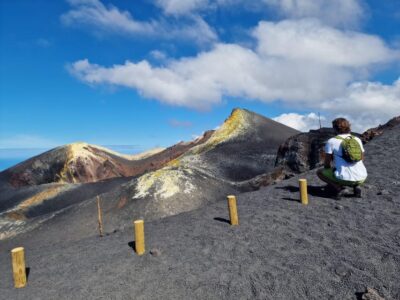
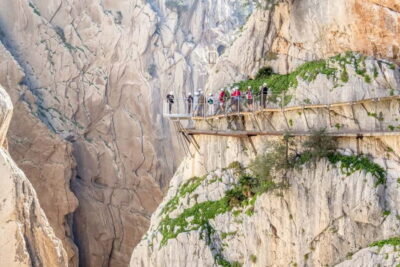
The Volcano Heart Tour: Hiking, Tasting and Sunset Experience
Read our review →
Granada: Los Cahorros de Monachil Canyon Hiking Tour
Read our review →
Browse the lists this tour appears in