
REVIEW · MARRAKECH HIKING TOURS
From Marrakech: 3-Day Mount Toubkal Climbing Trek
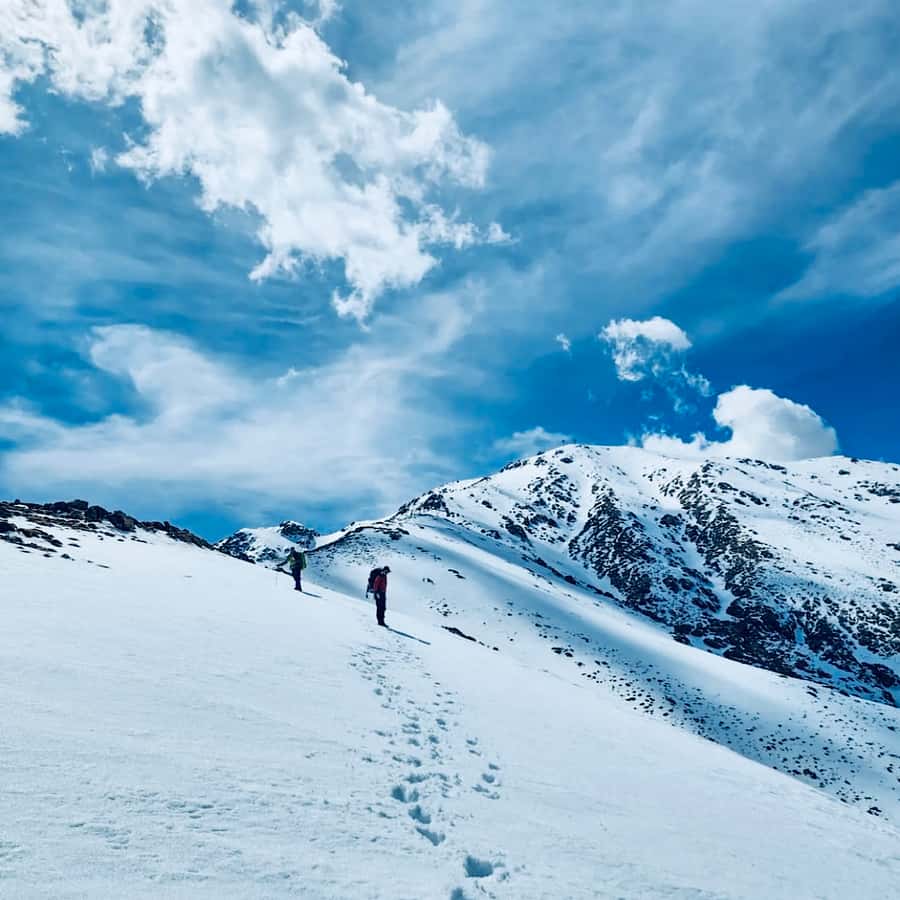
Toubkal rewards a steady pace. This three-day trek from Marrakech reaches Mount Toubkal at 4,167 meters, with Berber villages, juniper forests, waterfalls, and wide Atlas Mountain views along the way. I like the slower circular route, which gives you more than the standard two-day climb, and I like the careful support from guides such as Mustafa, Hassan, Kamal, Mohammed, and Youssef.
The main caution is simple: this is a hard mountain walk, not a sightseeing bus with a little exercise attached. The long summit day can last eight to nine hours, altitude can affect you, and the final descent to Imlil is tiring. Refuge facilities are basic, toilet paper and soap may be missing, and weather can force a shorter route or cancel the summit attempt.
Key points to know before booking
- A genuine three-day mountain circuit: You see more of the High Atlas than on the faster two-day out-and-back route.
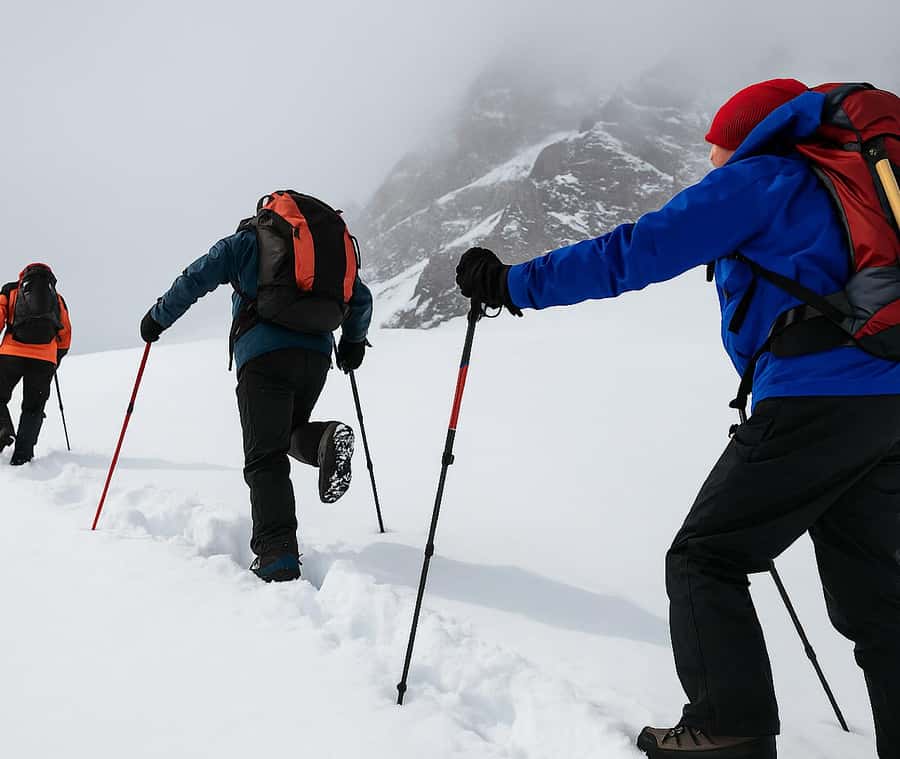
- The summit reaches 4,167 meters: The climb is non-technical, but steep paths, scree, altitude, cold, and a very long final day still demand good fitness.
- The first night adds useful acclimatization: Tamsoult Refuge and the 100-meter waterfalls make Day 1 more than a warm-up.
- Guides are the heart of the trip: Good pacing and close attention are repeatedly praised, especially from guides including Kamal, Mustafa, Hassan, Mohammed, and Youssef.
- Meals and luggage support are included: Mules carry luggage, while the cooks provide three breakfasts, three lunches, and three dinners as described.
- Pack for a mountain hut, not a hotel: Bring warm layers, hiking shoes, rain gear, a sleeping bag or liner, headlamp, toilet paper, soap, snacks, and electrolytes.
Why the three-day route is worth your time
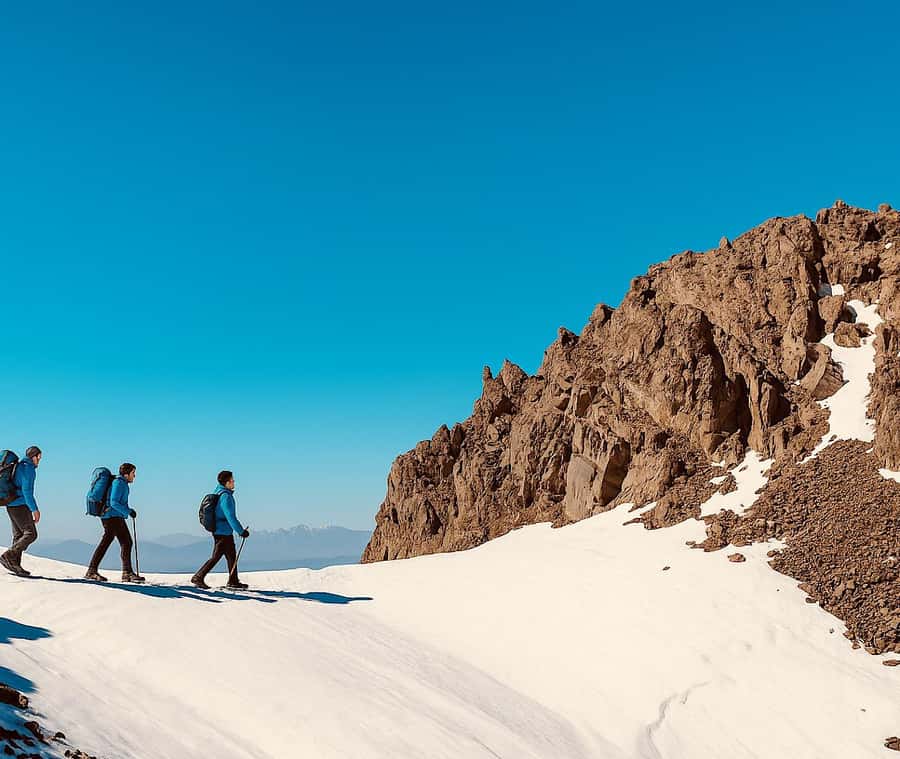
At $226 per person, this is a strong-value way to reach Toubkal from Marrakech. The price covers pickup and return transport, a mountain guide, muleteers and mules for luggage, accommodation, and meals. You are not simply paying for a summit photo. You are paying for the route planning, food supply, luggage transport, local support, and a safer way to handle a high mountain.
I especially like the extra day because it changes the feel of the trip. The popular two-day option focuses on getting up and down by the quickest practical route. This three-day version takes you over a different pass, past Tamsoult Waterfalls, and into quieter parts of the Atlas Mountains before you approach the summit.
The group can include up to 14 people, though some departures are much smaller. Groups of five, seven, eight, and 12 have all been reported, and smaller groups make it easier for the guide to adjust the pace. You will still need to accept a shared-group rhythm, though. The fastest person does not set the speed, and the slowest person should not feel hurried.
The guide makes a real difference here. The strongest praise centers on patience, safety, pacing, and encouragement. Kamal was praised for timing the summit sunrise well, Mustafa for keeping spirits high, and Hassan for helping people who struggled on steep ground. Those are practical qualities you need far more than a guide who simply knows the names of every peak.
More Mountain and Summit Hikes in Marrakech
- From Marrakech: Atlas Mountains Full-Day Hiking Trip w Lunch
★ 4.8 · 7,417 reviews - Marrakech: Atlas Mountains & Valleys Waterfall Hike w/ Lunch
★ 4.8 · 1,236 reviews - From Marrakesh: Atlas Mountains Talamrout Summit Day Hike
★ 4.9 · 835 reviews
From Marrakech to Imlil through the High Atlas
Your pickup begins after breakfast in Marrakech. If you stay outside the Medina, wait in your hotel lobby. If your riad sits on a narrow lane where a vehicle cannot reach it, the operator contacts you through WhatsApp to arrange a nearby meeting point.
The drive heads toward Tahanaout, Oued Ghighaya, and Asni before reaching Imlil, about 65 kilometers from Marrakech. The road gives you an early look at the change from city to mountain, with Berber villages scattered along the valleys and the High Atlas rising ahead.
In Imlil, you meet the certified mountain guide and muleteer team. This is the point where the trip becomes a walking expedition. Your luggage that you do not need immediately can be carried ahead by mule, but pack your day bag carefully. One useful complaint from past participants was that this luggage system was not made clear enough before departure, so ask what you will carry each day.
Day 1: Tizi Mzik Pass and Tamsoult Waterfalls
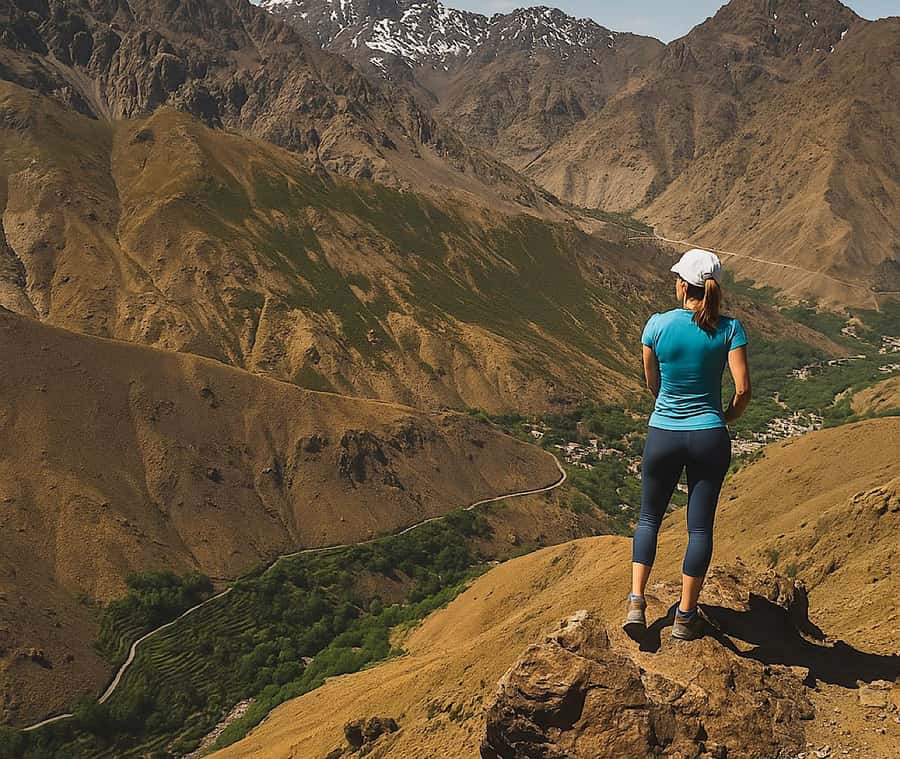
The first walking day covers about 11 kilometers, with 800 meters of climbing and 400 meters of descent. Expect five to six hours on foot, including pauses and the changing pace of the group.
The route climbs toward Tizi Mzik Pass at 2,479 meters. From the pass, you get views over the Imlil Valley and toward Toubkal. It is a good introduction to the trip because the ascent is serious enough to raise your heart rate, but the day does not yet demand the extreme effort of summit day.
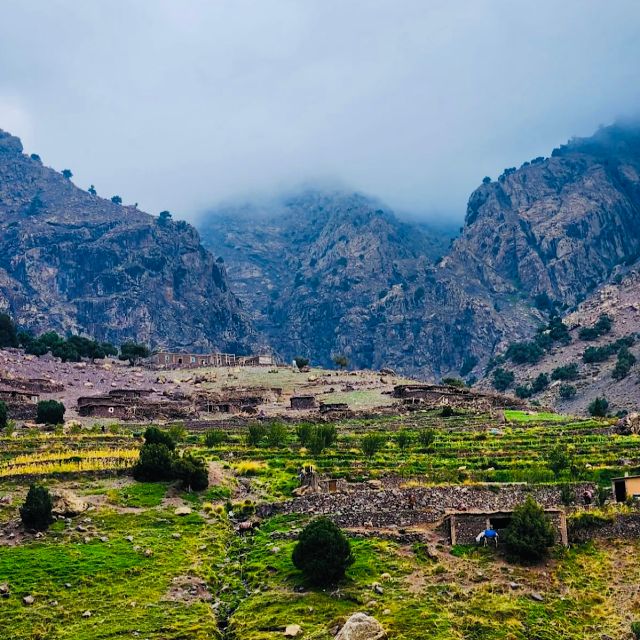
After the pass, the route continues through juniper forest to Tamsoult Waterfalls. At about 100 meters high, these are among the biggest waterfalls in the Atlas Mountains. The waterfall stop gives the first day some variety: you are not simply walking uphill on bare rock for hours.
You spend the night at Tamsoult Refuge. The first refuge is an important part of the route, since it breaks up the climb and gives your body some time at altitude before the higher passes. Accommodation is basic mountain-hut accommodation. Some departures have had hot showers and bunk beds, while conditions can vary, so do not expect hotel comfort.
Dinner and breakfast are included in the stated package, along with lunch. Meals are repeatedly described as plentiful and freshly prepared, with cooks and muleteers doing much of the hard work behind the scenes. Bring snacks anyway. Long walking days are not the time to discover that your appetite is larger than expected.
Day 2: The demanding climb to Aguelzim Pass
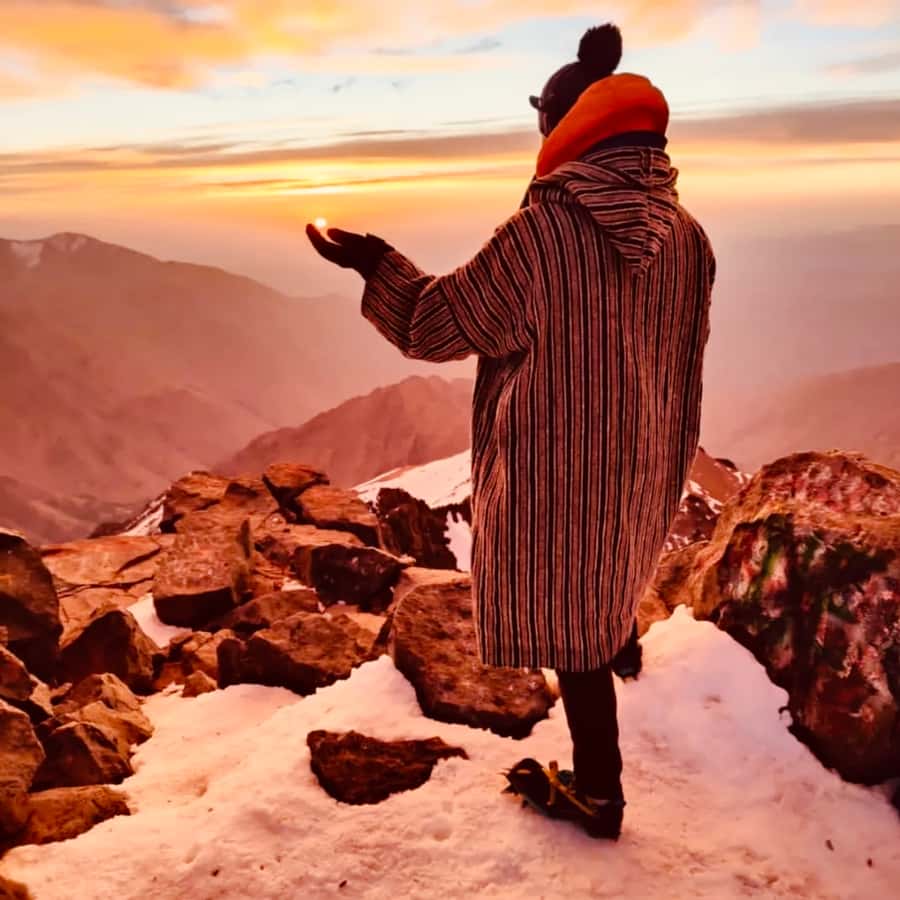
Day 2 is the big altitude day before the summit. You walk about 10 kilometers, climb 1,200 meters, descend 300 meters, and spend roughly six to six and a half hours on the trail.
The route rises steadily to Aguelzim Pass at 3,650 meters. The gradual pace matters. You are gaining a lot of height, and a good guide will keep the group from racing early and suffering later. This is where the value of a local guide becomes clear. Guides such as Mustafa, Mohammed, and Youssef were praised for checking on everyone and adapting the pace to the group.
From Aguelzim Pass, the views toward Toubkal become more immediate. You are now looking at the mountain you will attempt the next morning, which can be motivating and slightly intimidating. The air is thinner, the walking more exposed, and the route less forgiving of poor footwear.
The descent leads to Toubkal Refuge at 3,207 meters. This is your base for the summit attempt. Facilities remain simple, and sleeping arrangements can be shared. A sleeping bag or liner is wise, especially outside the warmest months. One summer participant still found the summit cold, while an August account noted temperatures around 5 degrees Celsius near the top.
You may find hot showers at the refuges, though they can cost extra. One account mentions a 20 MAD charge at the second refuge. Carry some Moroccan dirhams for water, snacks, showers, or other small purchases. Keep your valuables and passport with you.
More Mountain and Summit Hikes in Morocco
- Marrakesh: 2-Day Mt. Toubkal Trek with 1-Night Stay & Meals
★ 4.7 · 795 reviews - Marrakech: 2-Day Atlas Mountains Trek with Village Stay
★ 4.8 · 717 reviews - Marrakech: Tedli Summit Atlas Mountains Day Hike & Lunch
★ 4.9 · 668 reviews - From Marrakesh: Zip-Line & Hike in the Atlas Mountains
★ 4.8 · 605 reviews
Day 3: The summit and a very long descent
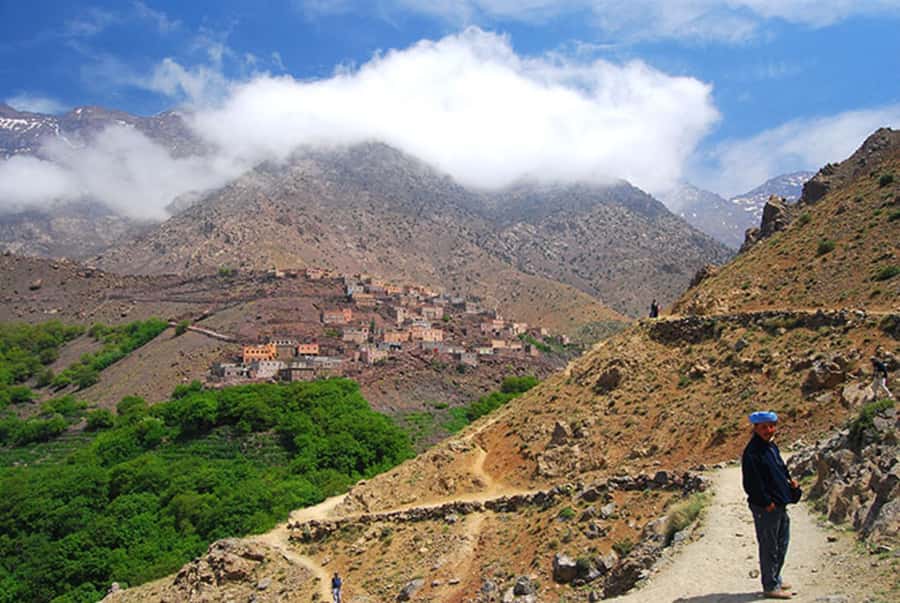
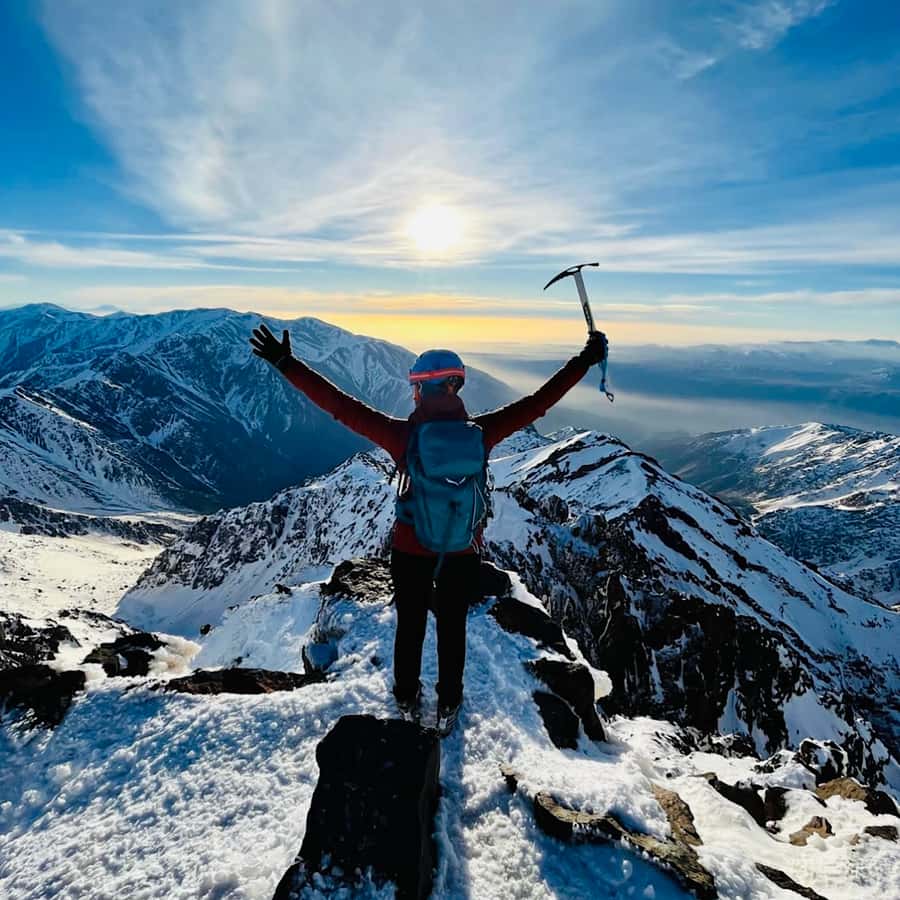
Summit morning begins early, often before sunrise. The climb to Toubkal’s 4,167-meter summit is listed as about four kilometers up and four kilometers back to the refuge, followed by the long descent toward Imlil. The total walking time is eight to nine hours, with roughly 980 meters of ascent and 2,500 meters of descent.
The early start is not a flaw. It gives you the best chance of reaching the summit in good morning conditions and seeing sunrise from high on the mountain. At the top, weather permitting, you can look across the High Atlas and possibly see the Sahara Desert on the horizon.
This is a non-technical ascent, meaning you do not need climbing ropes or advanced mountaineering skills under normal conditions. You do need sure footing, stamina, and a willingness to move over steep, rocky sections. The descent can be harder than expected. Scree makes footing loose, and tired legs make small slips more likely. One guide, Mohammed, was specifically praised for catching a participant who slipped on the way down.
After a short break at the refuge, you continue toward Imlil. This is the part that can drag. By then you have already climbed to the summit and descended a great distance, but the route is not finished until you reach the valley. One participant suggested a vehicle pickup from lower in the valley, though the included plan has you continue walking to Imlil before the return transfer.
The vehicle usually reaches Marrakech around 5:00 PM. Do not schedule a tight evening flight or an important reservation. Mountain timing depends on weather, the group, and how quickly the descent goes.
What the food and accommodation are really like
The package includes three breakfasts, three lunches, and three dinners, plus accommodation at a local house and mountain refuges along the route. The exact overnight setup can vary with the route and weather, but expect bunk beds, shared facilities, blankets in some refuges, and a basic setting.
The food earns unusually strong praise. Meals are simple, warm, and designed for hungry walkers. Accounts describe generous portions, healthy dishes, and freshly made food at stops along the way. The cooks and muleteers are part of the working team, carrying supplies and preparing meals in difficult conditions.
Do not confuse good mountain food with restaurant dining. You may get familiar Moroccan staples rather than a long menu, but that is fine after several hours on foot. Bring personal snacks, and consider electrolyte sachets or ORS. You should also carry a refillable water bottle, though the supplied details do not specify a water refill arrangement.
For the refuges, pack toilet paper, soap, a small towel, and earplugs if you sleep lightly. Sandals and flip flops are listed as prohibited for the activity, but several people still recommend comfortable footwear for the evening. Follow the operator’s final packing instructions, since the official guidance specifically asks for hiking shoes and warm clothing.
Weather, altitude, and changes to the plan
The mountain controls the schedule. A storm can prevent the summit, roads can close, and the route may change. One departure became a shorter two-day trek because of weather, followed by a Berber village visit and a homestay night. Another itinerary change caused by a closed road led to a different route that still included the summit on Day 2 and another summit walk on Day 3.
This flexibility is sensible, but communication matters. If the plan changes, ask the guide to explain the new route, overnight arrangements, meals, and return timing. The experience provider has a strong record of adapting the trip, but you should not assume the printed schedule will survive every mountain-weather problem.
Altitude is another consideration. The route reaches 3,650 meters at Aguelzim Pass and 4,167 meters at the summit. The three-day format helps by spreading out the ascent, but it does not remove the risk of feeling unwell. Move slowly, drink regularly, tell the guide if you feel ill, and do not treat reaching the top as more important than your health.
The activity is not suitable for children under two, pregnant women, people with high blood pressure, or anyone over 95. More broadly, I would choose this only if you can manage long days of mountain walking. Several participants called it suitable for beginners with decent fitness, but others found the second or third day very tough.
Packing for Toubkal without carrying your whole wardrobe
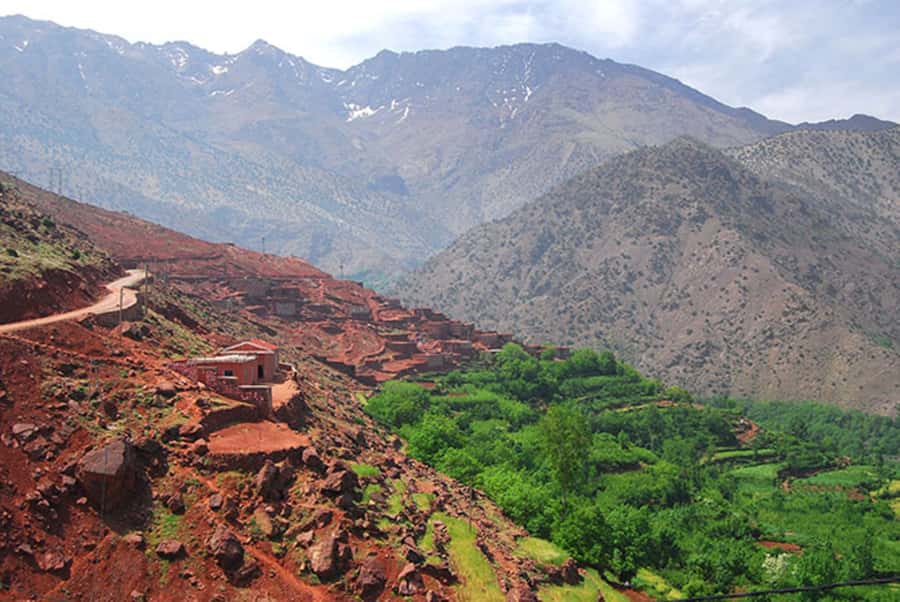
The goal is a light daypack with the things you need during walking and at night. Mules carry luggage, but you still need to handle your personal essentials.
Bring:
- Passport
- Hiking shoes with solid grip
- Warm layers, including a hat and gloves
- Waterproof jacket and rain gear
- Sleeping bag or sleeping-bag liner
- Headlamp
- Sunscreen and sunglasses
- Toilet paper and soap
- Snacks and electrolytes
- Camera
- Small cash in Moroccan dirhams
The summit can be cold even in summer. Layering is better than bringing one giant coat, since the lower valley, the afternoon climb, and the pre-dawn summit can feel very different.
A sleeping bag is included in the official packing advice, although some refuges provide blankets and beds. I would still bring one, or at least a liner, because warmth and cleanliness are personal matters in a shared mountain hut.
Who this trek suits best
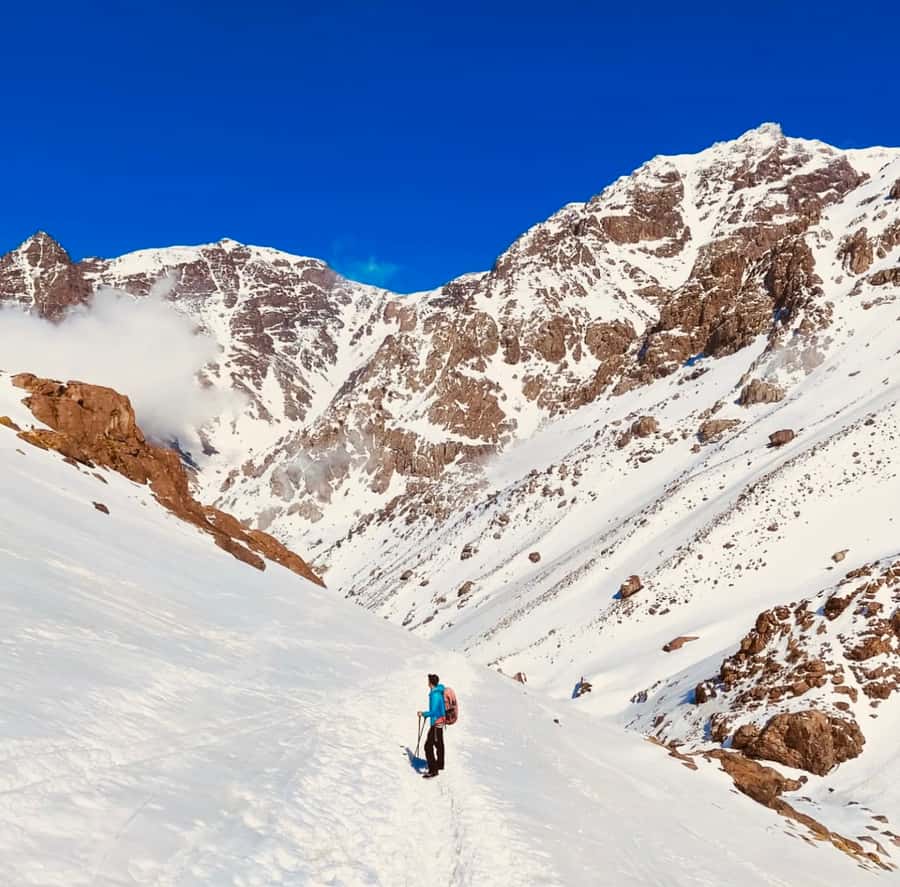
This trip suits you if you want a real physical challenge with local support rather than a polished resort excursion. It is a good choice for a solo person who enjoys joining a small group, since many people form friendships during the long walks and shared refuge evenings.
It also suits first-time high-altitude hikers who are reasonably fit and comfortable following a guide. You do not need technical climbing experience, but you should prepare with long walks, hills, stairs, or similar training before arriving in Morocco.
I would choose another plan if you dislike shared accommodation, need a private bathroom, cannot handle early starts, or want a guaranteed summit. No mountain company can promise good weather or a successful summit. The guide can make a safe decision, but the final call belongs to the conditions.
Arabic, English, and French are available, which helps mixed groups. Pickup from Marrakech is included, and the small-group limit of 14 keeps the operation more personal than a large coach tour.
Is the $226 price good value?
Yes, provided you want the full mountain experience. Transport alone between Marrakech and the Atlas trailhead has value, but the bigger saving comes from having the guide, mules, accommodation, cooks, and meals organized together.
You will still pay for personal expenses, insurance, gear rental if needed, showers at some refuges, snacks, and likely tips. Mountain equipment can be rented locally, and one participant found the process easy, but ask about rental needs before departure rather than arriving without warm clothing or proper shoes.
The three-day route is better value than the two-day option if you care about scenery and acclimatization. You pay for one more day, but you also get Tizi Mzik, Tamsoult Waterfalls, a less direct route, and more time in Berber mountain country.
Should you book this Mount Toubkal trek?
Book it if you want the satisfaction of a high summit, can accept basic refuges, and are willing to work for the views. The strongest part of the experience is the human support: guides such as Kamal, Mustafa, Hassan, Mohammed, and Youssef are praised for patience, humor, safety checks, and smart pacing.
Choose the three-day version over a rushed two-day climb if your schedule allows. Pack better than the basic listing suggests, especially toilet paper, soap, a headlamp, warm layers, snacks, electrolytes, and a sleeping bag or liner. If you understand that weather may change the plan and that summit day will be long, the $226 price offers a memorable and well-supported route into Morocco’s High Atlas.
FAQ
How long is the Mount Toubkal trek?
The experience lasts three days, including transport from Marrakech, mountain walking, overnight stays, the summit attempt, and the return transfer. The final walking day can take eight to nine hours.
How high is Mount Toubkal?
Mount Toubkal reaches 4,167 meters and is the highest mountain in North Africa.
Is the climb technically difficult?
The ascent is described as non-technical, so you do not need advanced climbing skills. You still need good fitness for steep paths, altitude, rocky ground, and long descents.
What languages does the guide speak?
Guides are available in Arabic, English, and French.
What is included in the price?
The price includes a tour guide, roundtrip transportation from Marrakech, muleteers and mules for luggage, accommodation at a local house, and three breakfasts, three lunches, and three dinners.
What should I bring?
Bring your passport, warm clothing, a jacket, rain gear, hiking shoes, camera, and sleeping bag. Toilet paper, soap, snacks, electrolytes, and a headlamp are also useful based on conditions at the refuges.
More Atlas Mountains Treks in Marrakesh
- Atlas Mountains:Full-Day Trek to Berber Villages & Waterfall
★ 5.0 · 50 reviews - 2 Days Mount Toubkal ascent trek via Ait Mizane Valley
★ 4.3 · 45 reviews - 2 Days Desert Agafay and Atlas Mountains Trek From Marrakech
★ 3.8 · 33 reviews - 2 days Mount Toubkal hike
★ 4.4 · 8 reviews
More Mountain and Summit Hikes in Marrakesh
- From Marrakesh: 2-Day Mount Toubkal Trek
★ 4.7 · 591 reviews - From Marrakech: Atlas Mountains Summit Trek
★ 4.9 · 228 reviews - From Marrakech: Atlas Mountains 4-Day Hike with Hotels
★ 4.5 · 60 reviews - Climb Mount Toubkal: 3-Day Trek from Marrakech
★ 4.4 · 58 reviews
Just added around Marrakesh
- Climb Mount Toubkal: 3-Day Trek from Marrakech★ 4.4 · 58 reviews
- Atlas Mountains:Full-Day Trek to Berber Villages & Waterfall★ 5.0 · 50 reviews
- From Marrakech: Atlas Mountains 4-Day Hike with Hotels★ 4.5 · 60 reviews
- 2 Days Mount Toubkal ascent trek via Ait Mizane Valley★ 4.3 · 45 reviews
- 2 days Mount Toubkal hike★ 4.4 · 8 reviews
- 2 Days Desert Agafay and Atlas Mountains Trek From Marrakech★ 3.8 · 33 reviews
- Marrakech: 2-Day Atlas Villages Trekking Tour★ 4.5 · 76 reviews
- From Marrakech: Ouzoud Waterfalls Guided Hike and Boat Trip★ 4.9 · 161 reviews
Marrakech Hiking Tours, compared.
Berber villages : Atlas Mountains Day Hike from Marrakech
Read our review →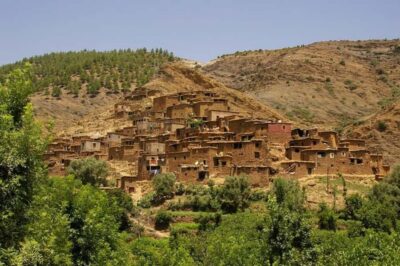
ourika valley lunch & guided hike to waterfalls
Read our review →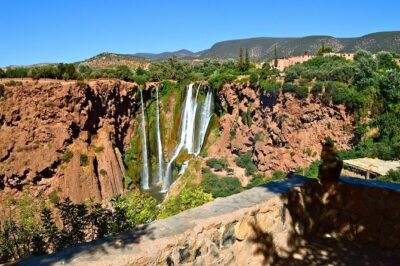
Ouzoud Waterfalls Guided Hike and Boat Trip from Marrakech
Read our review →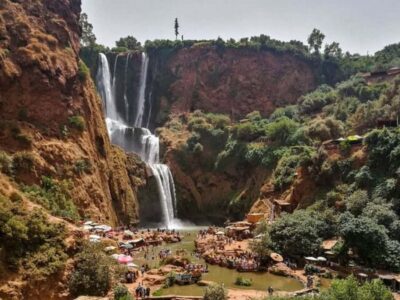
Ouzoud Waterfalls Trip with Hike & Boat Option
Read our review →