
REVIEW · SWEDEN HIKING TOURS
Stockholm: Wildlife Tour With Dinner and Short Hike
Wild Sweden begins just beyond the city. This five-hour evening safari takes you into Stockholm County by minivan, with time for a short forest hike, animal tracking, a campfire dinner, and several wildlife stops. I like the small groups of up to eight and the way the guides use current animal movements to choose better sighting spots. I also like the simple campfire meal, Swedish cook-coffee, and mud cake, which make the outing feel more personal than a drive-by wildlife trip. The main caution is simple: wild animals keep their own schedule, so a moose sighting is possible, not promised.
The outing suits you if you want a break from museums and city streets without giving up an evening in Stockholm. Guides such as Daniel, Lucas, Andrew, and Saga have been praised for their nature knowledge, patience, humor, and care. You may see moose, deer, wild boar, beavers, hares, birds of prey, cranes, or almost nothing larger than a rabbit. That uncertainty is part of the deal.
Key points to know before booking
- Moose sightings are possible but never guaranteed: Guides track animal movements and visit known hotspots, but they do not feed or attract wildlife.
- The evening combines three activities: A short hike, campfire cooking, and van-based wildlife watching across several areas.
- The campfire meal is part of the experience: Expect eco food, craft beer or juice, Swedish cook-coffee, and campfire mud cake.
- The group stays small: Each minivan and guide handles no more than eight participants.
- Timing changes with the season: In summer, dinner may come first, while winter schedules may place the hike before the meal because of sunset.
- Bring proper outdoor clothing: Hiking shoes or boots, weather-ready layers, a daypack, and a camera are all useful.
Leaving Stockholm for the forest
The meeting point is the True Nature Sweden office at Urban Basecamp, Tideliusgatan 62, on Södermalm. From there, an air-conditioned minivan carries you away from central Stockholm toward forested areas in Stockholm County.
The van matters more than it might seem. A walking tour would be limited to one patch of woodland, while this trip can cover several sighting spots. The guide also keeps track of where animals have been moving during the season, so the route is not simply a fixed loop chosen months in advance.
You get a professional guide, binoculars, and transport without having to rent a car or work out rural connections. That makes the $160 price easier to understand. You are paying for a five-hour outing, but also for the vehicle, guide, equipment, meal, local wildlife knowledge, and the chance to search a wider area.
The group limit of eight is another useful feature. Wildlife watching becomes awkward when a large crowd spills out of a bus, especially in quiet woods. A small group gives the guide more room to answer questions and adjust the pace.
More Wildlife Trips around Sweden:
- Private Yellowstone Tour: ICONIC Sites, Wildlife, Family Friendly Hikes + lunch
★ 5.0 · 739 reviews - Khao Sok: Private Waterfalls and Wildlife Half-Day Trek
★ 4.5 · 337 reviews - Ninh Binh: Cuc Phuong Jungle Hike & Wildlife Day Trip
★ 4.4 · 327 reviews
The first hike and the viewpoint
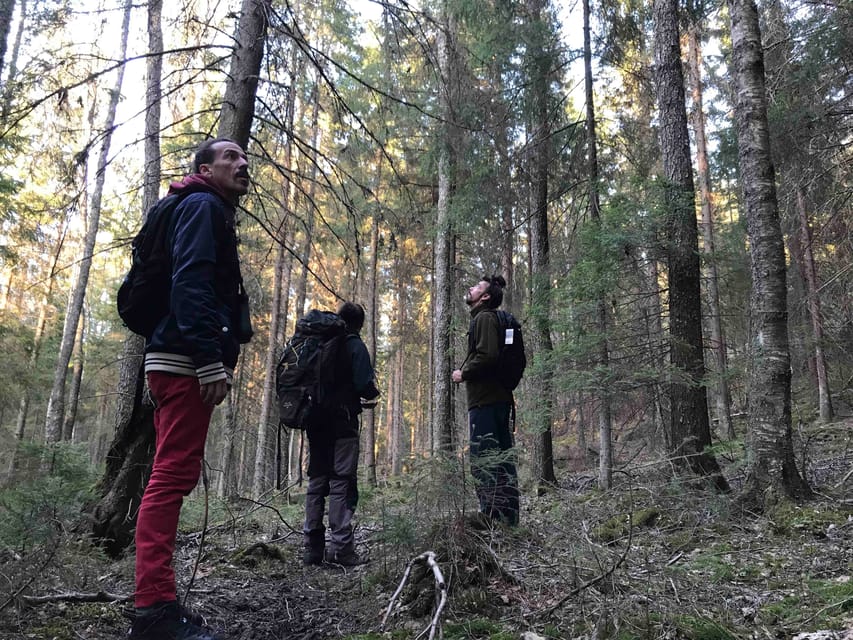
On arrival, you hike up to a viewpoint. This is a short hike rather than a demanding trek, but you still need proper shoes and clothing. The walk gives the evening a physical start and puts you in the right frame of mind for looking closely at the woods.
A viewpoint also helps you read the setting. Instead of rushing straight into animal sightings, you get a sense of the forest, open areas, water, and routes where wildlife may move. The trip is not only about collecting photographs. It is about learning how animal behavior connects to habitat, food, cover, and time of day.
The outing begins in the evening because many woodland animals become more active around dusk. Depending on the season, sunset may come late or early, so the order of the activities changes. In summer, the meal may happen at the start. In winter, the hike may come first, with dinner later.
That flexibility is practical. The guide is trying to use the available light when animal sightings are most likely, rather than forcing every departure into the same rigid pattern.
Campfire dinner with Swedish fika
The campfire is one of the strongest parts of this outing. Your guide gets the fire going using bushcraft methods, then prepares dinner over the flames. The meal is described as eco food, with a do-it-yourself wrap and a selection of ingredients available on one outing. It is not a restaurant meal, and it should not be judged as one.
What you get instead is food with a setting. You eat outdoors, near the forest, while the guide explains which animals may appear and how to read their signs. Craft beer or juice comes with the meal, and Swedish cook-coffee adds a local touch. Campfire mud cake provides a sweet finish.
This is also a good moment to ask questions. The guides explain diets, behavior, habitats, and seasonal movement. The best part of a wildlife outing often comes before the animal appears, when you learn what you are looking at and why it might be there.
The meal received warm praise for being tasty and well organized, though it is still a simple outdoor dinner. If you want a polished three-course meal, this is not the right choice. If you like warm food, coffee, conversation, and firelight in the woods, it fits the mood very well.
Tracking signs along the trail
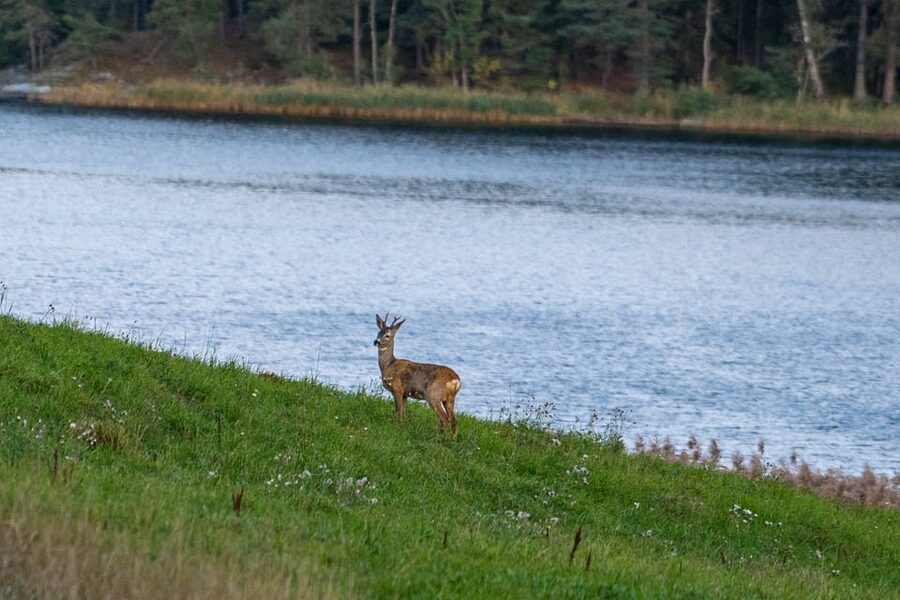
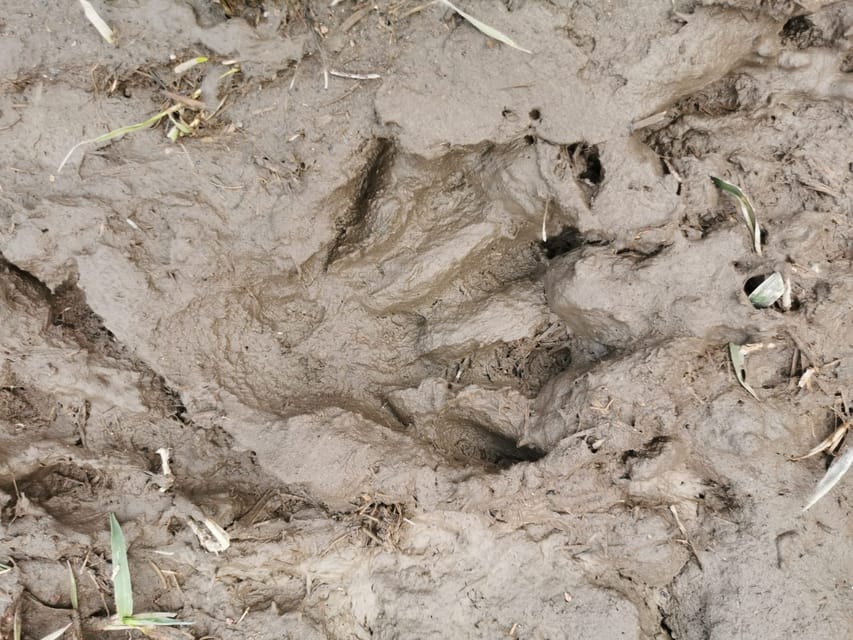
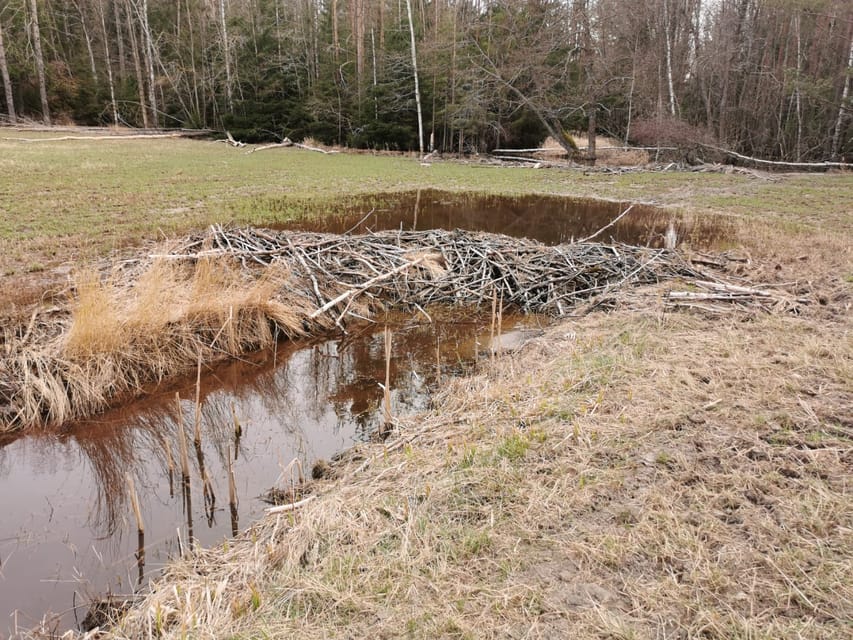
After the meal, or before it in the darker winter schedule, you follow a trail looking for tracks and other signs. The guide may point out evidence of wild boar, beavers, deer, hares, or smaller woodland life.
This part helps balance the uncertainty of animal watching. You might not see every species, but you can still learn how guides locate wildlife. Tracks, feeding marks, trails, nests, and other signs show that the forest is active even when no animal is visible.
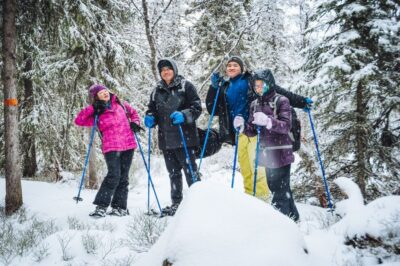
The walk has been described as relatively gentle and low impact. One outing included a walk to a lake, while another featured a frozen lake and snow. A different trip became foggy, limiting visibility, but the quiet forest and campfire still remained worthwhile. Those details tell you what this experience is really like: nature sets the terms.
The physical demands appear modest, but the tour is not a city stroll. Wear hiking shoes or boots and bring a daypack. Weather-appropriate layers are essential, especially because the activity continues after sunset.
More Dinner Experiences around Sweden:
- Edge Of The World Hike(Dinner under stars,village,bats cave,camp)
★ 4.5 · 675 reviews - Seoul: Guided City Wall Sunset Hike with Korean Dinner
★ 4.9 · 227 reviews - Khao Sok: Private Day Trekking, Jungle Dinner & Night Safari
★ 4.7 · 206 reviews - Wild West Coast Hiking Adventure with Sunset Picnic Dinner & Wine
★ 5.0 · 120 reviews
Searching several wildlife hotspots by van
Once the hike is over, you return to the minivan and move between several areas. This is where the transport earns its place. The guide can cover more ground and check locations where animals have recently been active.
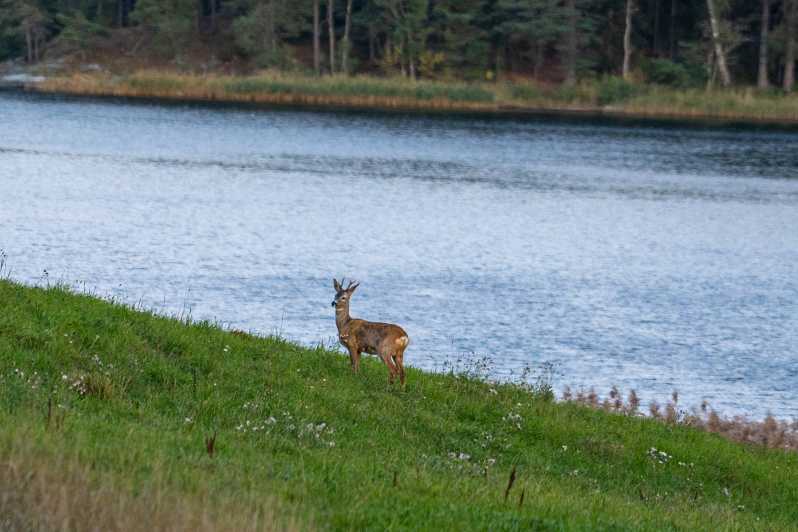
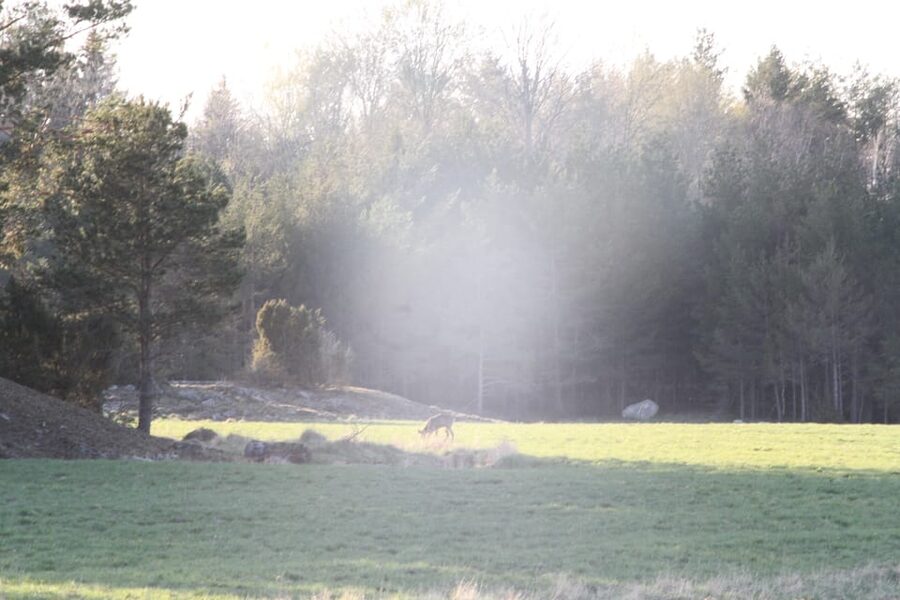
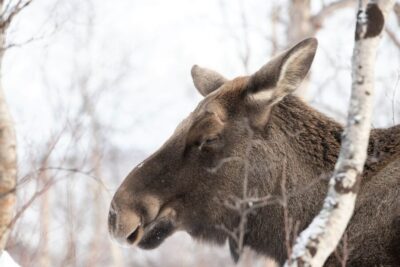
The likely list includes moose, roe deer, fallow deer, wild boar, foxes, hares, beavers, eagles, cranes, geese, and other birds. Past sightings have included moose, fallow deer, wild boar, a beaver, cranes, a lapwing, hares, and several kinds of deer. One outing produced two large groups of wild boar, while another ended with two moose appearing through the fog on the drive home.
Those examples show both the range and the luck involved. You could see only deer. You could see several species. You could get a memorable moose sighting at the end, when you have nearly stopped expecting one.
The guides use large torches after sunset so you can continue watching in low light. This helps, but it does not turn the forest into a zoo. The beam may reveal eyes, movement, or an animal at the roadside, but visibility can still be limited by darkness, fog, snow, or distance.
What the guides add
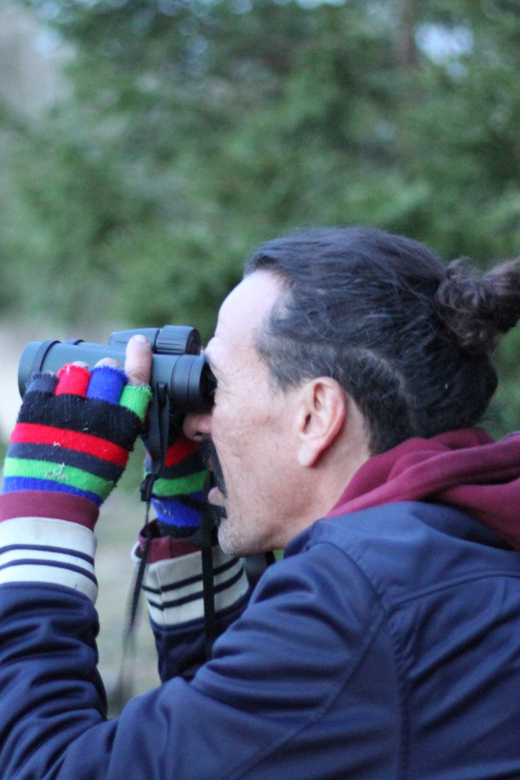
A good wildlife guide does more than point at animals. Daniel has been praised for explaining both Swedish nature and culture, while Lucas has been noted for his effort, care, and ability to keep people safe. Andrew has been described as a strong guide who explains a great deal, and Saga has been praised for making a forest outing feel easy and enjoyable.
That range of feedback matters because the guide shapes the whole evening. You spend time in the van, walking, eating, waiting, and scanning the dark. A guide who can explain animal behavior, answer questions, and keep the group comfortable adds real value.
The guides also appear to provide patience when conditions change. Fog, snow, frozen water, or a quiet evening cannot be fixed by enthusiasm alone. The better response is to explain what is happening and keep the focus on the setting, tracks, and small discoveries. This experience seems strongest when the guide treats the forest as a living place rather than promising a checklist of animals.
Wildlife is the gamble
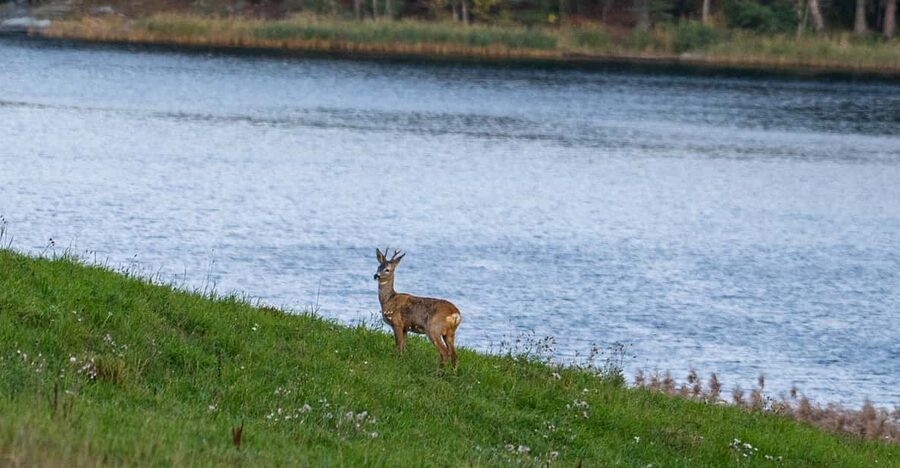
You should book this with realistic expectations. The provider does not feed animals or use bait, and no species is guaranteed. That is a positive from an ethical point of view, but it also means you may not see a moose.
If seeing a moose is your only goal, $160 is a risky spend. Even careful guides cannot control where animals move. If your goal is an evening of forest time, wildlife education, outdoor food, and a better chance of seeing animals than you would have on your own, the value is stronger.
The available experience suggests that deer are among the more realistic sightings, while moose, beavers, and wild boar are possible highlights. Birds can add plenty to the evening, too. Cranes, geese, lapwings, birds of prey, and other species have appeared on different outings.
I also like that the tour does not treat a quiet night as a failure. A foggy forest, a frozen lake, animal tracks, or a campfire can still make the trip worthwhile. Nature does not punch a clock, and that is both the charm and the frustration.
Seasonal timing and what to pack
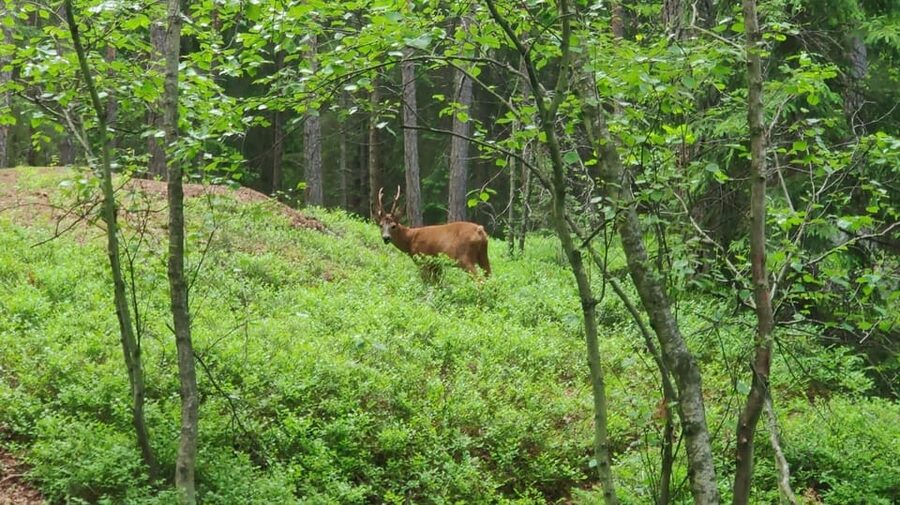
The tour runs for about five hours, with departure times based on availability and sunset. Summer and winter feel quite different. Summer gives you more daylight and may put dinner at the start, while winter brings earlier darkness and the possibility of snow or ice.
The supplied advice is sensible:
- Hiking shoes or boots
- Weather-appropriate clothing
- A daypack
- A camera
You should also think in layers. The information specifically calls for weather-ready clothing, and the reviews include winter outings in snow and on a frozen lake. The fire provides warmth, but you will still spend time outdoors before and after the meal.
Binoculars are provided, so you do not need to bring your own. The tour includes an air-conditioned vehicle, professional guide, campfire cooking, eco food, craft beers, Swedish cook-coffee, and mud cake. Alcohol beyond the included craft beer is not included, and personal travel insurance is also your responsibility.
Families, couples, and solo participants
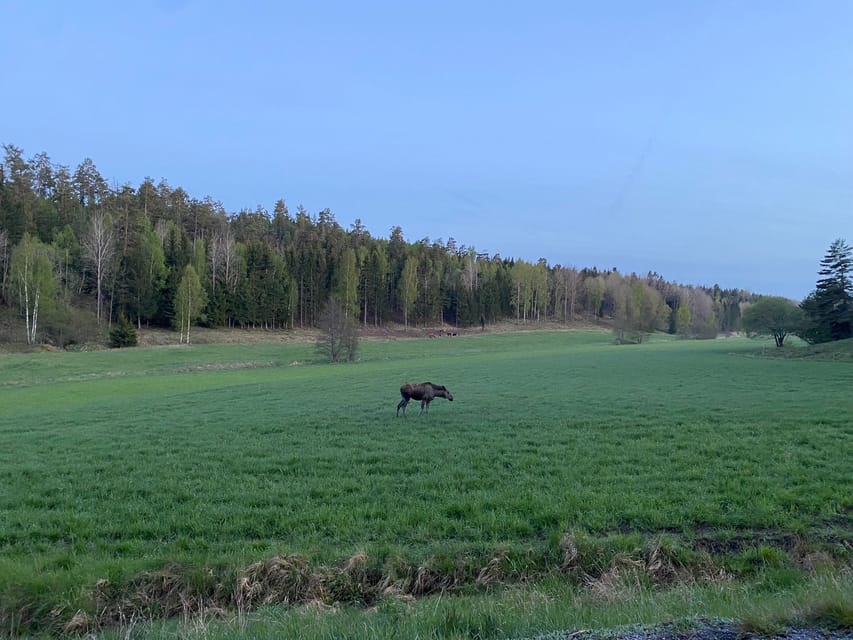
This works well for people who want a calm outdoor evening rather than a high-speed adventure. Families can find plenty to enjoy in the woods, and one outing included younger children who liked the walk, snow, wildlife lessons, and frozen lake. Children still need suitable clothing and must be comfortable with a five-hour activity that includes travel and time outside.
Couples may like the campfire setting and quiet forest time. Solo participants can benefit from the small group, especially because the guide provides structure and conversation during the search.
It is less suitable if you dislike uncertainty, cannot walk on forest trails, or want guaranteed animal sightings. The hike is described as short, but the activity still involves outdoor walking, uneven ground, darkness, and weather.
Is $160 a fair price?
At $160 per person, this is not a cheap add-on. The price makes better sense when you count the parts separately: return minivan transport from Stockholm, a five-hour evening, a professional English-speaking guide, binoculars, a short hike, wildlife tracking, a campfire meal, drinks, coffee, dessert, and access to several sighting areas.
You are also paying for local judgment. A guide who monitors animal movements can make better choices than someone visiting the forest without a car or regional knowledge. The small group keeps the outing more personal and avoids the feel of a large coach excursion.
Still, the price does not buy a guaranteed moose encounter. Think of it as a guided nature evening with a strong chance of seeing something interesting, not as a wildlife amusement park.
The provider allows free cancellation up to 24 hours before departure and offers reserve-now, pay-later booking. Starting times vary, so check the current departure when you choose your date.
Should you book this Stockholm wildlife safari?
Book it if you want to trade city lights for a forest, eat dinner beside a campfire, and let the evening unfold without a fixed animal script. The tour is especially appealing if you value a small group, patient guides, and an experience that feels connected to Swedish outdoor life.
I would be cautious if you need a guaranteed moose sighting or dislike walking in cold, dark, or changeable weather. For everyone else, this is a well-priced way to add real countryside time to a Stockholm visit. The best result may be a moose, but it could also be a frozen lake, a quiet trail, wild boar in the torchlight, or coffee beside a fire while the forest goes dark.
FAQ
Where does the Stockholm wildlife tour meet?
It meets at the True Nature Sweden office at Urban Basecamp, Tideliusgatan 62, 118 69 Stockholm.
How long does the tour last?
The experience lasts approximately five hours.
How many people are in each group?
Each vehicle and guide accommodates a maximum of eight participants.
Is transportation included?
Yes. Transportation by air-conditioned minivan is included, and the vehicle visits several wildlife sighting areas.
Is a moose sighting guaranteed?
No. Moose and other wildlife are wild and unpredictable. The guides track animal movement and choose suitable areas, but they do not feed or attract animals.
What animals might I see?
Possible sightings include moose, roe deer, fallow deer, wild boar, foxes, beavers, hares, birds of prey, cranes, geese, lapwings, and other birds.
Is dinner included?
Yes. The tour includes campfire cooking, eco food, craft beer or juice, Swedish cook-coffee, and campfire mud cake.
What should I bring?
Bring a camera, hiking shoes or boots, weather-appropriate clothing, and a daypack.
Is the tour conducted in English?
Yes. The live tour guide language is English.
Can I cancel the booking?
Yes. You can cancel up to 24 hours in advance for a full refund. The experience also offers reserve-now, pay-later booking.
More Places to Eat around Sweden
- Mount Batur Sunrise Trekking (Private Tour and Breakfast at Restaurant)
★ 5.0 · 598 reviews - Santorini: Night Hike, Wine Tasting, and Greek Dinner
★ 4.5 · 40 reviews - Bamberg Countryside Breweries Beer Hike Food Experience
★ 5.0 · 27 reviews - Hurghada: Hiking , dinner & stargazing
★ 5.0 · 19 reviews
Just added around Sweden
- Stockholm: Nature Hike with Campfire Lunch★ 4.7 · 33 reviews
- Stockholm: Self-Guided hiking in beautiful nature★ 4.6 · 43 reviews
- Nature Hike from Stockholm★ 4.9 · 20 reviews
- Kiruna: Snowshoe Trek with Aurora Hunt and Warm Beverage★ 4.5 · 20 reviews
- Kiruna: Daytime Snowshoe Hike★ 4.9 · 96 reviews
- From Stockholm: Archipelago Hike to Landsort Lighthouse★ 5.0 · 26 reviews
- Abisko: Wilderness Snowshoe Hike★ 4.8 · 94 reviews
- Abisko: Photo Hike with Professional Photographer★ 4.9 · 12 reviews
Sweden Hiking Tours, compared.
Abisko National Park: Scenic Morning Hike with Transfer
Read our review →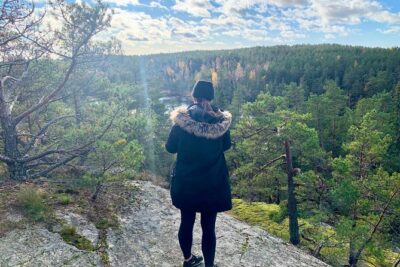
Nature Reserve Hiking Tour with Campfire Lunch
Read our review →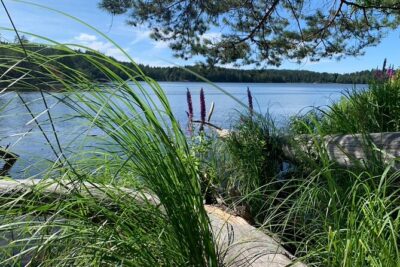
Sunset Hike in Tyresta National Park with Meal
Read our review →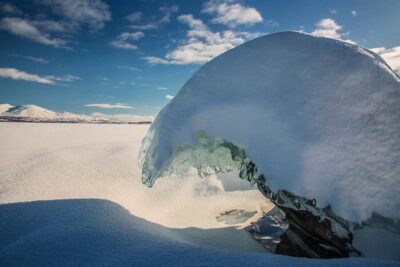
Browse the lists this tour appears in