
REVIEW · USA HIKING TOURS
Sequoia National Park: Sherman Tree & Congress Trail Walk
Big trees deserve a closer look. This three-hour walk through Giant Forest combines the famous General Sherman Tree with a quieter, more thoughtful look at sequoia ecology, wildlife, and park history. I especially like the wildlife biologist guide, Scott, whose background includes 15 years of wildlife and tour work and experience managing black bears around campgrounds. I also like the small-group format, capped at 14 people plus the guide, which gives you room to ask questions and set a comfortable pace. The main consideration is the altitude and uphill walking: the route covers about three miles above 6,000 feet, with two climbs of roughly 300 feet.
Scott has provided more than 1,000 tours for National Park Service and nonprofit groups, and his style seems to blend solid field knowledge with jokes and plenty of conversation. The price is $100 per person, so this is not a cheap way to simply see the Sherman Tree. It makes more sense if you want the forest explained, need help spotting wildlife, or have limited time and want an organized walk without wasted steps.
Key points to know before you book
- General Sherman Tree is only the beginning: The famous tree gets a guided stop, but much of the walk continues through Giant Forest.
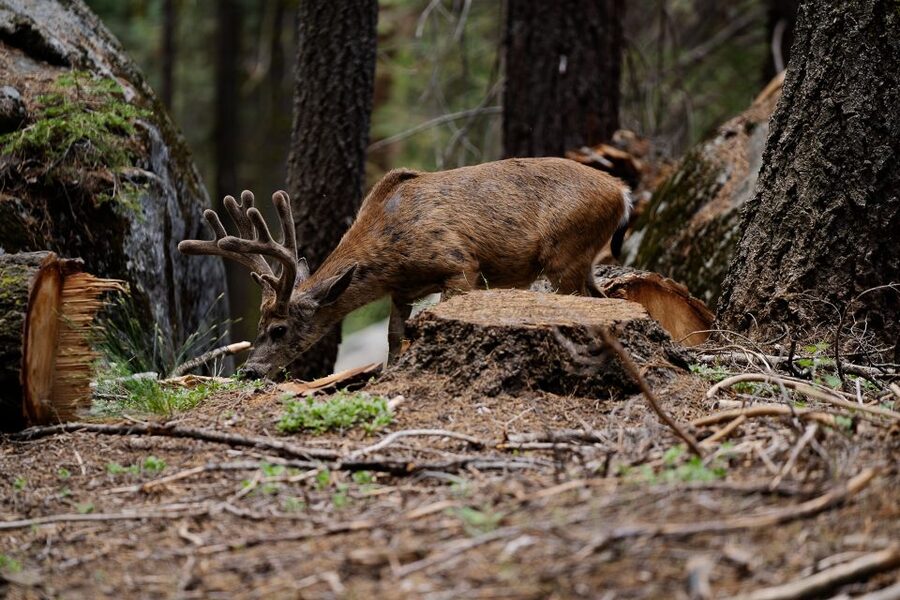
- Wildlife safety comes first: You learn how black bears, birds, squirrels, chipmunks, mule deer, and other animals behave without being encouraged to approach them.
- Scott brings a strong field background: He has a degree in wildlife biology, former bear-management experience, and extensive guiding experience in Sequoia and Kings Canyon National Parks.
- The walk is three miles at high altitude: Expect two hills with about 300 feet of elevation gain each, even though the route is manageable for many ages and abilities.
- Small groups improve the experience: Fewer than 14 people join the guide, allowing questions, photo stops, and a pace that can work for different fitness levels.
- The tour supports the parks: Three percent of revenue goes back to the parks, adding a modest conservation benefit to your purchase.
Meeting Scott beside the Sherman Tree shuttle stop

The meeting point is the Upper Sherman Parking Lot, at the Trailhead for the Sherman Tree Trail. Look for the paved walkway around a group of boulders, the covered walkway, restrooms, and shuttle stop. Scott meets you between the restrooms and the covered walkway.
This is a practical starting point. You do not have to search for a remote trail entrance, and the tour ends in the same area. Seasonal changes are possible, so keep an eye on messages sent through the booking platform and the contact information you provide.
You are responsible for reaching the park and paying the park entrance fee. There is no vehicle transportation, food, or drink included. Bring your own water, and allow enough time to arrive with hiking shoes, sun protection, comfortable clothing, and a small daypack.
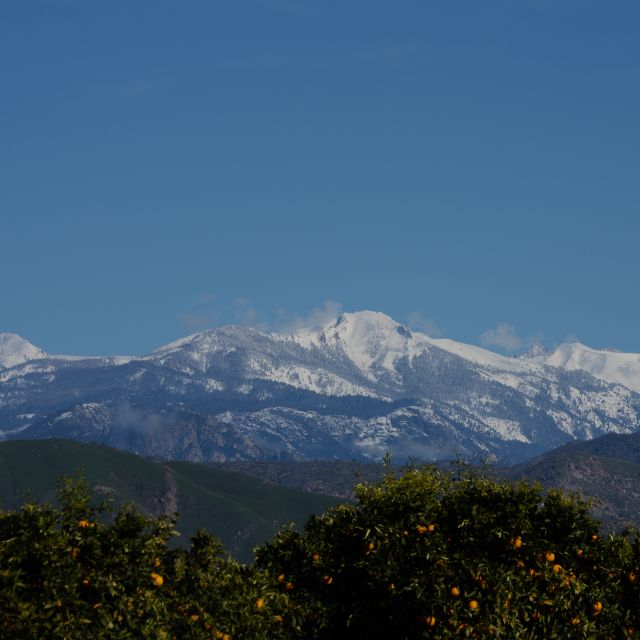
The altitude deserves attention before you arrive. Giant Forest sits above 6,000 feet, and a three-mile walk here may feel harder than the same distance at home. You do not need to be a serious hiker, but you should be ready for two uphill sections and changing mountain weather.
More National Park Hikes in the USA
- San Francisco: Yosemite National Park & Giant Sequoias Hike
★ 4.5 · 1,777 reviews - Everglades National Park Biologist Led Adventure: Cruise, Hike + Airboat
★ 5.0 · 685 reviews - The Narrows: Zion National Park Private Guided Hike
★ 5.0 · 209 reviews
The first 10 minutes: safety and a useful orientation
The walk begins with a safety briefing of about 10 minutes. This is more than a formality on a wildlife walk. You receive guidance on moving through bear country, viewing animals safely, and staying aware of the group and surroundings.
A former bear-management worker is a particularly good person to lead this part. Scott has experience chasing black bears out of campgrounds, which gives his advice a practical edge. You can ask about animal behavior rather than simply hearing a list of rules.
The tour is designed for all ages and skill levels, but children cannot attend without an accompanying adult. The group limit keeps the safety briefing useful instead of turning it into a speech delivered to a crowd.
Walking to General Sherman Tree on a paved trail
The first section takes about 15 minutes on foot. You follow a paved route toward General Sherman Tree, the world’s largest tree by volume. The paved surface makes the opening section approachable, especially for people who want to experience Giant Forest without immediately tackling a rough backcountry trail.
The word paved does not mean completely flat. The full walk includes hills, and the altitude can affect your pace. Still, the route is set up for a steady outing rather than a race. One older participant received a slower pace and more time to enjoy the walk, which is important if people in your group have different walking speeds.
As you go, Scott can put the forest into context. Instead of treating the sequoias as giant photo props, he explains the trees through their stages of life, along with the plants and animals that depend on the forest. That kind of interpretation is where the tour earns its fee.
General Sherman Tree: a famous stop with real scale
The General Sherman Tree stop lasts about 15 minutes and includes photos, sightseeing, a guided explanation, wildlife awareness, and another safety reminder. You will have time to take pictures, but the stop is not only a photo break.
The tree’s size is difficult to understand from a single glance. A guide helps you notice its scale and place it within the wider story of giant sequoias. You can ask about how the trees grow, survive, and change over time, rather than leaving with only a few large numbers and a crowded viewpoint.
Fifteen minutes is enough for a focused stop, though you should not expect unlimited time for every possible photograph. The experience works best if you are happy to take a few good pictures and then continue into the forest.
That choice is important. Many people come to Sequoia National Park, see General Sherman Tree, and leave with only a quick impression of Giant Forest. This walk uses the famous tree as an introduction, then takes you farther into the surrounding area.
Same trailhead, a different kind of day:
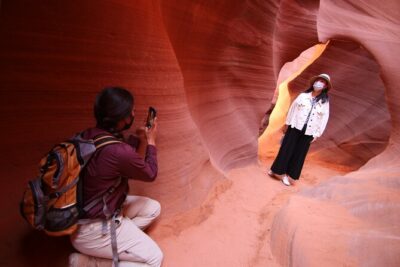
- Lower Antelope Canyon Hiking Tour
★ 5.0 · 6,216 reviews - Small Group: Valley of Fire Half Day Tour from Las Vegas
★ 5.0 · 2,130 reviews - Multnomah Falls and Columbia River Gorge Half-Day Hiking Tour
★ 5.0 · 2,108 reviews - Valley of Fire Guided Hike from Las Vegas
★ 5.0 · 1,611 reviews
Beyond the famous tree: plants, animals, and forest behavior
After General Sherman Tree, the route continues on foot for about 30 minutes. This is where the experience becomes different from a basic sightseeing stop. You move deeper into Giant Forest and begin paying closer attention to the living details around the sequoias.
The guide can discuss the plants found here and the animals that use the forest. You are guaranteed to see sequoia trees, birds, squirrels, chipmunks, scenic views, and more. Those animals may be common, but a guide can help you understand what you are seeing and why it matters.
Black bears and mule deer are possible, not promised. That distinction is worth taking seriously. The tour does not sell a guaranteed bear sighting, and taking the walk more than once will not necessarily improve your odds. You should book this for the forest education and safe wildlife viewing first, with a bear sighting treated as a lucky bonus.
The wildlife focus also makes this a good outing for children who enjoy watching animals. Scott can answer questions about biology and behavior, and the supplied details note that occasional berry eating may be included when berries are in season and with a parent’s permission. That is a small, seasonal feature, not something to expect on every departure.
Two more Giant Forest stops and a flexible pace
The route includes two additional guided stops in Giant Forest, each about 15 minutes, separated by walking sections of roughly 15 and 30 minutes. These pauses allow time for photographs, questions, wildlife viewing, and discussion of natural and cultural history.
The exact value of these stops depends on how curious your group is. If you want to keep moving, you can pass through some sections more quickly. If a plant, animal track, view, or unusual tree catches your attention, the small group makes it easier to pause and ask about it.
One of the strongest features is the ability to set a natural pace. A small group can stop for photos without the feel of a large bus tour. Scott also has access to local field guides and identification books, so questions about birds, plants, and animals can be handled with more than a quick guess.
You should still expect a proper three-hour commitment. This is not a short stroll around a single tree. The walk back to the Sherman Tree Parking Access takes about 30 minutes, and the final return section gives you time to think over what you have seen or ask follow-up questions.
What makes Scott a valuable guide
The guide is the main reason to choose this experience over walking the same general area on your own. Sequoia National Park provides the trees, but Scott provides interpretation, safety guidance, and local context.
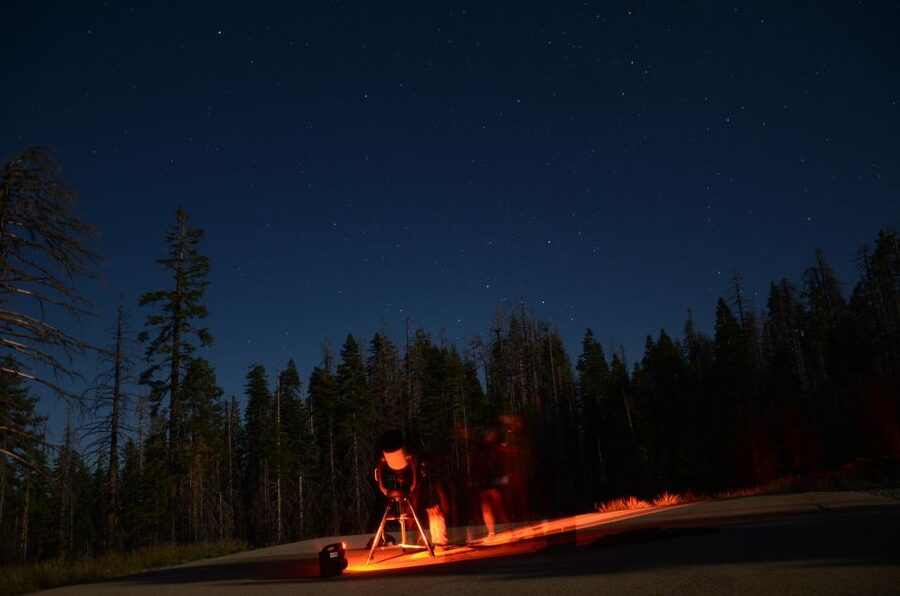
His background includes a wildlife biology degree, work in Sequoia and Kings Canyon National Parks since 2014, astronomy knowledge, and more than 1,000 tours for park and nonprofit groups. He is also trained in first aid and CPR, carries a basic first aid kit, and has an emergency medical contact device.
That does not remove the normal risks of a high-altitude hike, but it gives you a sensible level of support. The tour also includes wildlife safety instruction, which is useful in an area where careless behavior around animals can create problems for both people and wildlife.
The tone appears to be friendly rather than formal. Scott is known for facts, stories, theories, and plenty of puns. He also made a point of talking directly with children during one family outing, which suggests this is not a lecture aimed only at adults.
Is $100 per person good value?
At $100 per person, the walk costs more than visiting General Sherman Tree independently. If you only want a photograph of the world’s largest tree and a short look around, save the money and explore on your own.
The value improves if you want a guide who can identify wildlife, explain sequoia life cycles, discuss park history, manage the group pace, and help you make good use of limited time. A private guide for you and fewer than 14 other people is also a better setup than a large group with little chance to ask questions.
The tour includes trip-planning help, accessibility accommodations, local field guides, first aid supplies, and wildlife education. You still pay the park entrance fee and bring your own food and water, so include those costs in your budget.
Three percent of the revenue goes back to the parks. That will not transform the price calculation, but it adds a small direct benefit to the place you are visiting.
Free cancellation is available up to 24 hours before departure, and you can reserve now and pay later. The tour runs in rain or shine, but Big Trees Tours can reschedule or refund it because of dangerous weather, park closures, government shutdowns, or other safety concerns.
Who should book this walk?
I would recommend it most strongly for a first visit to Giant Forest, a family that wants an educational outing, or anyone with limited time who does not want to plan every step alone. It is also a good fit if you care more about understanding the forest than simply collecting photographs.
The walk suits older children and adults who can manage three miles and two uphill sections at high altitude. The guide can adjust the pace, and wheelchair accessibility is offered, but you should discuss your specific needs before booking because the route still includes hills and a three-mile distance.
You should think twice if you dislike guided activities, want a strenuous backcountry hike, or are booking mainly to see a black bear. Wildlife sightings remain uncertain, and the focus is safe observation, not close encounters.
Pack water, sunglasses, a sun hat, sunscreen, hiking shoes, rain gear, comfortable clothes, insect repellent, and a daypack. Pets are not allowed, though assistance dogs are permitted.
Should you book the Sherman Tree and Congress Trail Walk?
Book it if you want the Giant Forest explained rather than simply viewed. The strongest reasons are Scott’s wildlife background, the small group, the flexible pace, and the chance to ask real questions about sequoias, animals, and park history.
Skip it if your plan is only to see General Sherman Tree quickly or if $100 feels too steep for guided interpretation. The route is manageable for many people, but altitude, hills, weather, and three miles of walking make it more than a casual photo stop.
For a first visit, I think the guide adds enough context to justify the cost, especially when your time in Sequoia National Park is limited. Just book for the trees, the stories, and the safer wildlife education. Let the bear be the bonus.
FAQ
How long does the Sherman Tree and Congress Trail Walk last?
The experience lasts three hours, including the guided stops, walking time, safety briefing, wildlife viewing, and return to the Sherman Tree Parking Access.
How far does the walk go?
The walk covers about three miles, or 4.8 kilometers.
How much elevation gain should I expect?
The route includes two hills, each with an elevation gain of about 300 feet, or 91 meters.
What altitude is the tour at?
The tour takes place above 6,000 feet, or 1,828 meters, above sea level.
Will I see a black bear?
A black bear sighting is possible but not guaranteed. You are guaranteed to see sequoia trees, birds, squirrels, chipmunks, and scenic views. Mule deer are also a possible sighting.
Is the tour wheelchair accessible?
Yes, accessibility accommodations are included and the tour is listed as wheelchair accessible. Because the route covers three miles and includes two hills, contact the provider about your specific needs before booking.
What is included in the price?
The price includes a wildlife biologist tour guide, a trained guide with extensive tour experience, wildlife safety instruction, safe wildlife viewing, access to local field guides and identification books, first aid equipment, an emergency medical contact device, accessibility accommodations, and trip-planning help.
Do I need to pay the park entrance fee separately?
Yes. Park entrance fees, vehicle transportation, food, and drinks are not included.
Just added around the USA
- Strawberry Hill and Downtown KCK Hike★ 5.0 · 18 reviews
- Kansas City Crossroads Art District and Westside Urban Hike★ 5.0 · 22 reviews
- Mendenhall Glacier Guided Hike Juneau★ 5.0 · 125 reviews
- Juneau Shore Excursion: Mendenhall Glacier Canoe, Paddle and Hike★ 5.0 · 75 reviews
- Juneau Shore Excursion: Mendenhall Glacier Guided Hike★ 5.0 · 71 reviews
- Rainforest & Waterfalls Trek★ 5.0 · 35 reviews
- Norris Adventure: Seaplane, Paddle and Glacier Hike★ 5.0 · 12 reviews
- Diamond Head and Manoa Falls Hike and Adventure Tour★ 4.5 · 15 reviews
USA Hiking Tours, compared.
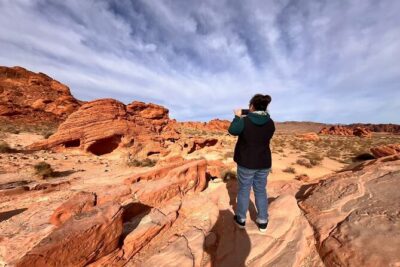
Small Group: Valley of Fire Half Day Tour from Las Vegas
Read our review →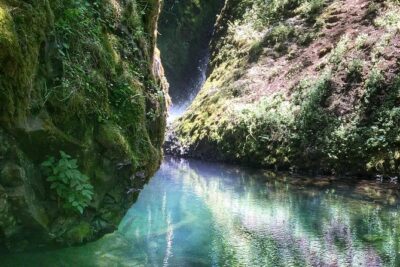
Multnomah Falls and Columbia River Gorge Half-Day Hiking Tour
Read our review →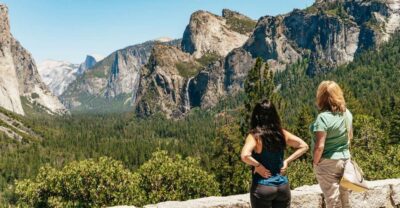
Yosemite National Park & Giant Sequoias Hike
Read our review →

Kauai Adventure: Kayak & Hike to Secret Falls with Expert Guide
Read our review →Browse the lists this tour appears in