
REVIEW · SICILY HIKING TOURS
Etna Southern Slope Guided Easy Trek
Etna turns a short walk into a geology lesson. I like the volcanic variety, from the Silvestri Craters to the 2001 fracture, and I like the wide views toward Catania and the Ionian coast. The main catch is that this is described as easy in the title but medium difficulty in the details, so poor fitness or bad weather can change the experience quickly.
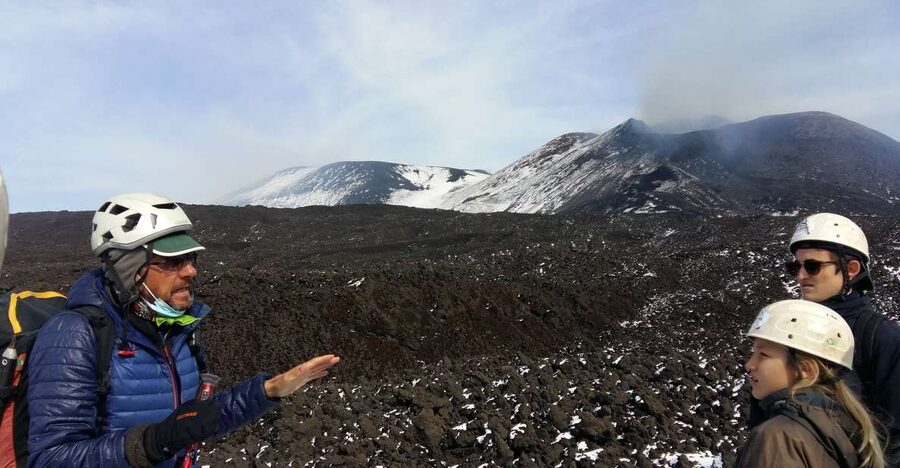
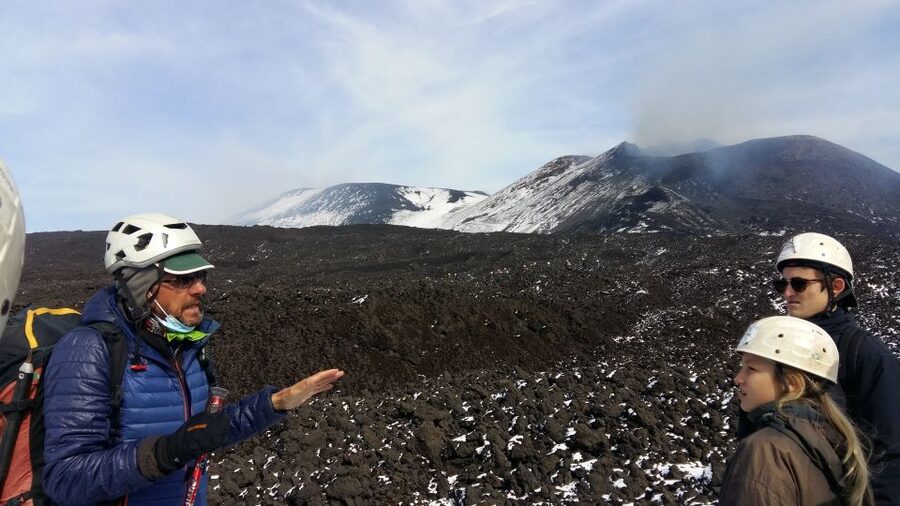
The guide makes a big difference here. Mario earns repeated praise for his passion and clear explanations, while Thomas is also singled out for his professional approach. You should still bring proper shoes, water, and rain gear, since the tour reaches about 1,900 meters and does not operate in rain or storms.
Key points to know before booking
- A 2.5-hour volcanic walk: The route covers several eruption sites without taking up a full day.
- Three important eruptions: You connect the eruptions of 1766, 1892, and 2001 as you walk across Etna’s southern side.
- A guide-led geology lesson: Mario and Thomas are praised for clear, enthusiastic explanations and well-timed pauses.
- High-altitude starting point: The walk begins at Rifugio Sapienza, beside the southern cable-car station, at roughly 1,900 meters.
- Real volcanic ground underfoot: You cross lava from 2001 and visit the fracture that fed the eruption.
- A strong value at $46: The fee covers a nature guide, with no charge for meals or mountain equipment included.
What this Etna trek actually offers
Mount Etna can feel overwhelming from a distance. It is Europe’s highest active volcano, and its southern side gives you a practical way to understand its size without committing to a long mountain day.
This excursion keeps the focus on the upper volcanic zone. You walk around craters, lava flows, and eruption sites rather than simply stopping for a photo and returning to town. At the same time, the 2.5-hour length keeps the outing manageable for anyone who wants a focused Etna experience.
I would describe the route as a moderate short hike, not a casual stroll. The tour information calls it medium difficulty, and the high elevation adds to the effort. You should be comfortable walking over uneven volcanic ground and spending several hours outdoors.
The price is $46 per person. That is fair value if you want interpretation rather than just access to the area. A guide helps connect scattered cones and lava fields to specific eruptions, which is hard to do from a map or roadside sign alone. The price does not cover food, drinks, gratuities, clothing, or mountain equipment, so your total cost depends on what you already have with you.
More Volcano Hikes in Italy
- Mount Etna: Summit Guided Hiking Tour up to 3,400 m
★ 4.8 · 4,792 reviews - Mount Etna: Trek to 3000m with cable car and 4×4
★ 4.6 · 3,823 reviews - Mount Etna: Summit Crater Trek with Cable Car
★ 4.8 · 1,875 reviews
Starting beside Rifugio Sapienza at 1,900 meters
The meeting point is inside the Esagonal bar at Hotel and Restaurant Rifugio Sapienza. Look for the Sicily Touring flag, where your guide will meet you.
This is a useful starting place because the refuge sits beside the departure station for the Etna cable car on the southern slope. You are already in the high volcanic zone, so the walk begins with the open, dark terrain that makes this part of Etna feel so different from the lower slopes.
You should arrive prepared rather than planning to buy everything at the last minute. Wear hiking shoes, comfortable clothing, and bring water. Rain gear is important even if the forecast looks kind at lower elevations. Conditions on Etna can change, and the excursion is cancelled in rain or stormy weather.
The height matters. At around 1,900 meters, you may find the walk more tiring than the same route would be near sea level. Anyone with a low fitness level should think carefully before booking. The activity is not suitable for pregnant women, people with heart problems, people with motion sickness, or anyone over 95.
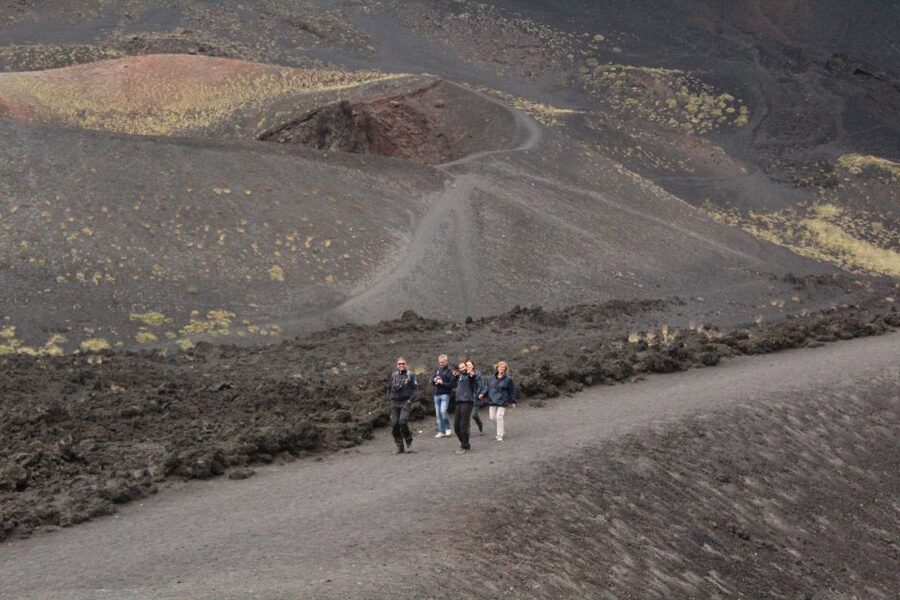
The upper Silvestri Craters and a lunar setting
The first major part of the route takes you across the upper craters of Monti Silvestri. These cones formed through past volcanic activity and offer the kind of stark, dark terrain most people picture when they imagine Etna.
The word lunar is often used for Etna, and here it makes sense in a simple visual way. The ground is shaped by ash, volcanic rock, and old lava rather than grass or farmland. The surface can feel raw and exposed, with the craters giving the walk its first clear sense of scale.
This is where a guide earns the fee. Without explanation, a crater can look like a bowl of black earth. With a naturalistic and volcanological guide, you can connect the shape under your feet to the forces that built it. The route does not ask you to study a textbook. It puts the lesson around you.
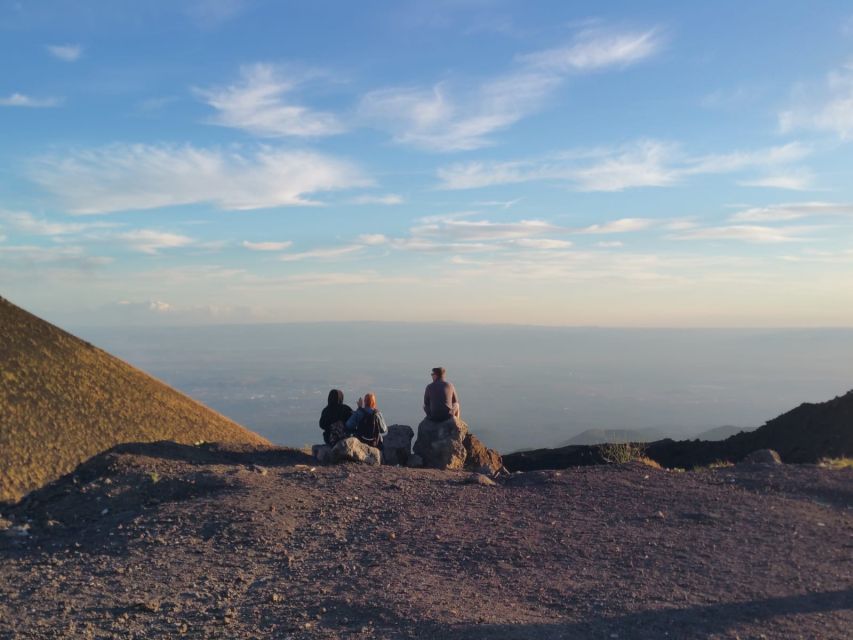
The upper Silvestri Craters also provide some of the route’s most accessible views. From the higher point of the craters, you can look toward the Etna foothills and the Ionian coast near Catania. The panorama is a major reward, but it depends on visibility. Clouds, wind, and storm conditions can affect what you see.
Following the eruptions of 1766, 1892, and 2001
One of the best features of this walk is its timeline. The route links three eruptions rather than presenting Etna as one huge, undifferentiated volcano.
You encounter the eruptions of 1766, 1892, and 2001, each with a different place in the route. That sequence helps you see how the volcano changes over time. Old cones and newer lava sit within the same high volcanic zone, giving the walk a built-in history lesson without relying only on dates.
The 1766 eruption comes into focus at the Calcarazzi craters. These craters are part of the route’s older volcanic story, and reaching them gives you a chance to see how eruption centers can remain visible long after the activity ends.
The 1892 eruption is also part of the route’s explanation, adding another layer to the volcanic timeline. The supplied details do not promise a separate stop for every eruption, so you should think of the guide’s interpretation as a connected story along the walk rather than three formal exhibits.
The 2001 eruption feels more recent and more tangible. You walk across its lava flows and reach the volcanic fracture that generated the eruption. That physical connection is valuable. Instead of only hearing that Etna erupted in 2001, you stand on the material it produced and see the type of opening through which the activity developed.
Same trailhead, a different kind of day:
- Cinque Terre Day Trip with Optional Hiking or Pisa
★ 5.0 · 8,486 reviews - Florence: Cinque Terre Day Trip with Optional Hiking or Pisa
★ 4.9 · 4,848 reviews - Etna: summit craters trekking with volcano guide 3350mt
★ 4.7 · 1,712 reviews - Catania: Mount Etna Trekking Tour Beyond the Tourist Trails
★ 4.9 · 1,596 reviews
The 2001 fracture and Calcarazzi craters
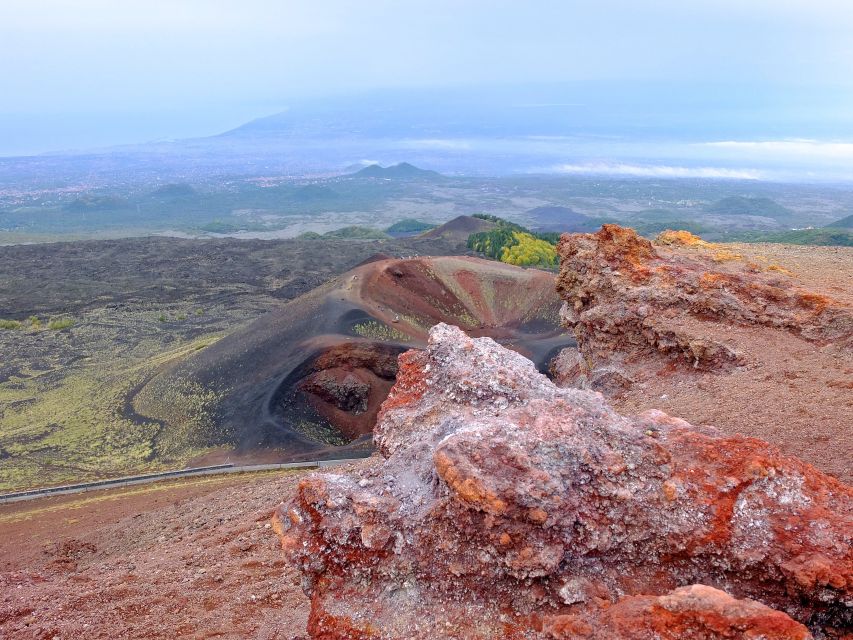
The volcanic fracture of 2001 is one of the most distinctive points on the excursion. A fracture is not just another crater to photograph. It helps explain how lava can move through the volcano and reach the surface along a break in the ground.
The route leads you across the lavas from the 2001 eruption before reaching the fracture. The order matters because you first see the material produced by the eruption, then the feature that helped generate it. I like this kind of arrangement because it turns geology into a visible chain of events.
You then continue toward the Calcarazzi craters from the 1766 eruption. The contrast between the newer lava and the older crater area gives the walk depth. You are not simply seeing several black cones. You are comparing volcanic features formed at different times.
The surface can be uneven, and this is another reason not to treat the word easy too casually. Comfortable clothes are necessary, but hiking shoes are more important. Regular city shoes would not be my choice for a route over lava and crater ground.
Reaching the highest point of the upper craters
The route finishes at the highest point of the upper Silvestri Craters. This is the place to pause and take in the wider view, assuming the air is clear.
From here, the scene opens toward the Etna foothills and the Ionian coast of Catania. That view gives you a useful sense of how the volcano sits above Sicily. The walk has been about craters and lava, but the final panorama places those features in the larger setting of the island.
The pauses are worth noting. Louise from France specifically praised the well-timed breaks and said they made the trekking easier. That is a practical strength, especially on a short route with a high starting point. A good pause lets you recover while also taking in the explanation and scenery.
Do not expect a summit climb or access to Etna’s highest active areas. This experience stays on the southern slope around the upper Silvestri and Calcarazzi areas. That keeps the duration short and the focus clear, but anyone looking for a strenuous high-altitude expedition should choose a different activity.
Why the guide matters more than the distance
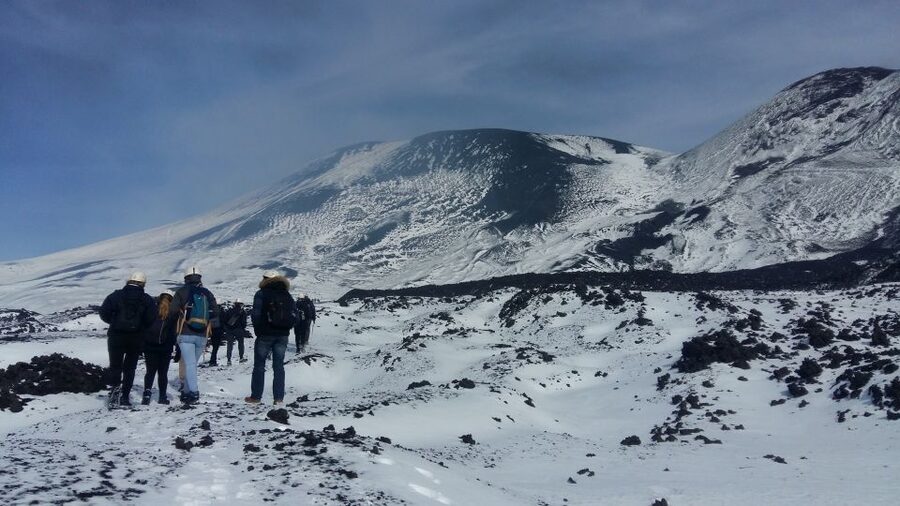
The walking time alone is not the main reason to book this excursion. The real value is the explanation provided along the way.
Mario receives especially strong praise for presenting many interesting details in a short time and for showing genuine affection for Etna and Sicily. That combination matters. A guide who knows the facts but speaks mechanically can make volcanic terrain feel flat. A guide who connects the facts to the land can make a short route memorable.
Thomas is also praised for professionalism and passion. English and Italian are available, so you should choose the language that lets you ask questions comfortably. One visitor from Sweden described the guide as polite, informed, and easy to listen to, with clear answers to questions. That is exactly what you want on a geology walk, where questions often arise as soon as you see a crater or lava channel.
The excursion is suitable for curious beginners because you do not need to arrive with a technical understanding of volcanoes. The guide handles the interpretation. Still, you need enough fitness to walk at high elevation over rough ground for the full outing.
Weather, equipment, and comfort
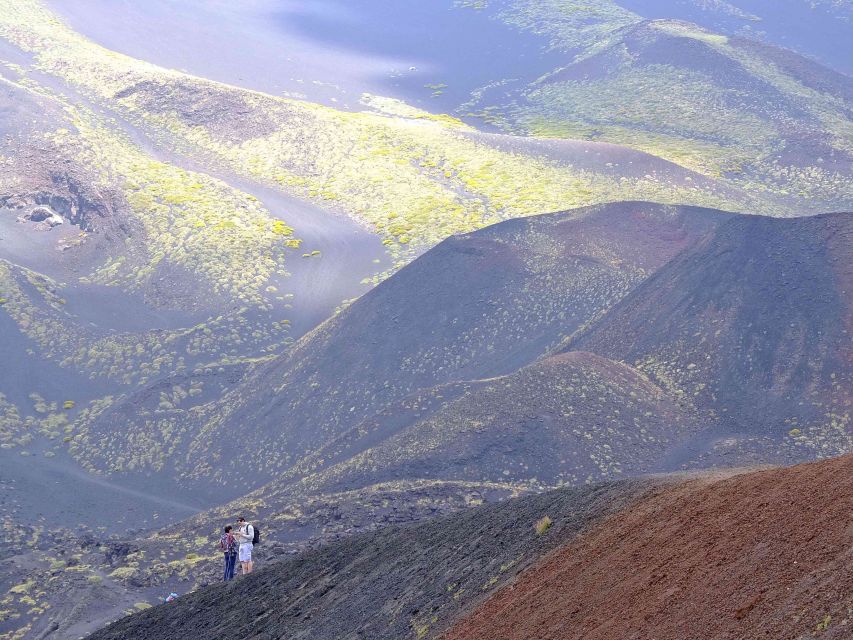
Etna’s weather is a serious part of the planning. The tour does not operate during rain or storms, and this is sensible for a route exposed to mountain conditions.
Bring:
- Hiking shoes
- Water
- Rain gear
- Comfortable clothes
The operator does not provide clothing or mountain equipment. Food and drinks are also not included. You should handle those needs before the walk begins, especially because the route lasts 2.5 hours and includes walking over volcanic ground.
The lack of included equipment is not a flaw by itself. It keeps the $46 price focused on the guide service. But you should not book this expecting a fully outfitted mountain excursion. The responsibility for being dressed properly is yours.
Motion sickness is listed among the reasons not to take the tour. The data does not specify a particular vehicle journey, so I would treat that restriction as a general warning and ask the operator if motion sickness is a concern for you.
Who will get the most from this excursion
I would choose this walk if you want a clear introduction to Etna in half a day. It suits visitors who want volcanic scenery, a little exercise, and an expert explanation without spending most of the day on the mountain.
It is also a good match for families with older children or mixed-age groups if everyone can manage a medium-difficulty walk. The route includes pauses, and the 2.5-hour duration is easier to fit around other plans in Sicily.
This is not the right choice for someone seeking a relaxed sightseeing stop with no walking. It is also not suitable for people with heart problems, pregnant women, people with low fitness, people over 95, or people affected by motion sickness. The high starting altitude and rough surface make those limits important.
The outing also works well for repeat visitors to Etna who want more context. You may have seen the Silvestri Craters already, but the 1766, 1892, and 2001 sequence gives familiar ground a clearer story.
Is $46 good value?
At $46, you are paying for a specialized nature guide rather than transport, lunch, or equipment. I consider that good value if you care about understanding what you see.
The route visits several distinct features in 2.5 hours: the upper Silvestri Craters, the 2001 lava flows, the 2001 fracture, the Calcarazzi craters, and the high point of the upper craters. That is a solid amount of ground and interpretation for the price.
The value drops if you want a fully serviced mountain trip. You must bring your own water, clothing, and shoes, and no meals are included. You also need to account for the possibility of weather cancelling the outing.
The activity has a 4.8 rating from 36 bookings, with repeated praise for the guides’ passion, professionalism, explanations, and timing of breaks. The most consistent strength is clearly the human side of the experience. You are not just walking beside volcanic cones. You are getting help reading them.
Should you book this Etna trek?
Book it if you want a short, focused Etna experience with real volcanic features and a guide who can explain the difference between them. The 2001 fracture and lava flows are especially appealing if you like seeing recent geological events in physical form.
I would skip it if you need an effortless walk, dislike exposed mountain weather, or lack suitable shoes and fitness. I would also avoid treating this as a simple stop at the Silvestri Craters. The route asks for more effort, but it gives you much more context in return.
For most reasonably fit visitors who want to understand Etna rather than simply photograph it, $46 is a sensible price. Check the weather, pack rain gear and water, and meet inside the Esagonal bar at Rifugio Sapienza by the Sicily Touring flag.
FAQ
How long does the Etna Southern Slope Guided Easy Trek last?
The excursion lasts 2.5 hours.
Where does the trek begin?
It begins at Hotel and Restaurant Rifugio Sapienza, beside the Etna cable-car departure station on the southern slope, at about 1,900 meters.
What volcanic sites does the route visit?
The route includes the upper Silvestri Craters, the Calcarazzi craters from the 1766 eruption, lava from the 2001 eruption, and the volcanic fracture that generated the 2001 eruption. The guide also discusses the eruptions of 1766, 1892, and 2001.
What should I bring?
Bring hiking shoes, water, rain gear, and comfortable clothing.
Is the tour available in English?
Yes. Live guiding is available in English and Italian.
Does the tour operate in rain or storms?
No. The tour will not take place in rainy or stormy weather.
Who should not take this trek?
The activity is not suitable for pregnant women, people with heart problems, people with a low fitness level, people with motion sickness, or people over 95 years old.
Just added around Italy
- Wild Walk – Discovering the hidden paths★ 5.0 · 31 reviews
- Hiking Tuscany & Chianti Wine – 3 Organic Wineries with lunch★ 5.0 · 27 reviews
- Hiking Florence Tuscany hills with lunch & wine★ 5.0 · 22 reviews
- Private Guided Hiking Cinque Terre Day From Florence★ 5.0 · 7 reviews
- Hike & Wine Tour★ 5.0 · 9 reviews
- Private Guided Hike to Tre Cime di Lavaredo★ 5.0 · 16 reviews
- Hike the Dolomites One Day Private Excursion from Cortina★ 5.0 · 18 reviews
- BarCa Winery Cinqueterre Trekking & Wine Tasting & Pesto Class★ 5.0 · 48 reviews
Sicily Hiking Tours, compared.
Etna excursion 3000 meters with 4×4 cable car and Trekking
Read our review →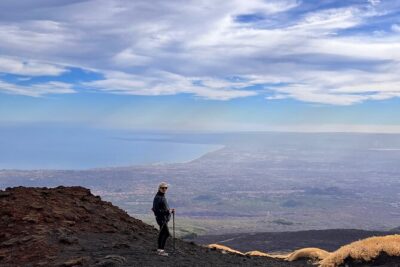
Mount Etna Adventurous Hiking Tour with Equipment
Read our review →
Trekking to the summit craters (only guide service) experienced hikers
Read our review →
Half or full day trekking on Etna with private guide
Read our review →
Mount Etna’s North Slope Craters Guided Hike Tour
Read our review →Browse the lists this tour appears in