
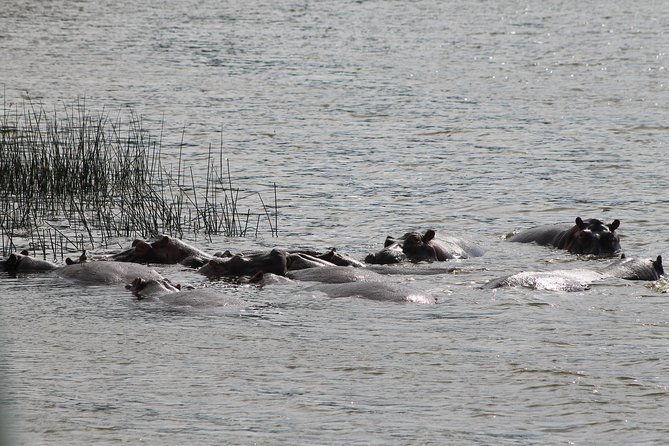
REVIEW · KAMPALA HIKING TOURS
7-Day Murchison Falls, Chimps & Gorilla Trekking
Wild Uganda packs a lot into one week. This private safari links Murchison Falls, Budongo Forest, Bwindi Impenetrable Forest, Lake Bunyonyi, and Zziwa Rhino Sanctuary in one long circuit from Entebbe. I like the mix of classic game viewing and close primate encounters, especially the chance to see chimpanzees and mountain gorillas with trained guides rather than trying to manage forest travel alone.
I also like that the price includes accommodation, transport, and all meals, which makes budgeting simpler. The main catch is the road time: Uganda is large, and this itinerary spends many hours moving between parks. You need an early start, a late flight on the final day, and enough patience for long drives.
The five details that shape this safari
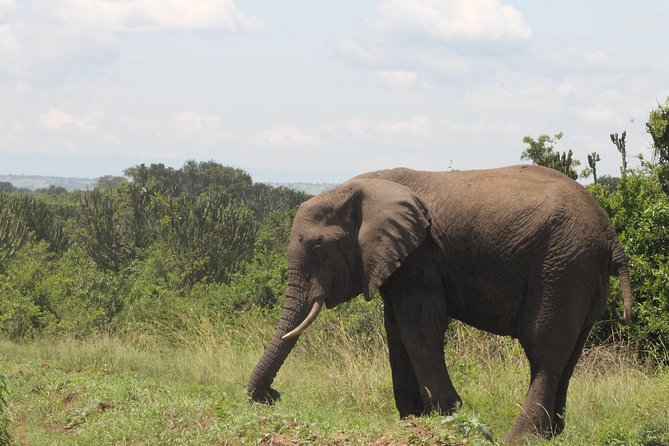
- Murchison Falls gives you two kinds of wildlife viewing: an early game drive across open plains and a boat ride along the Nile toward the falls.
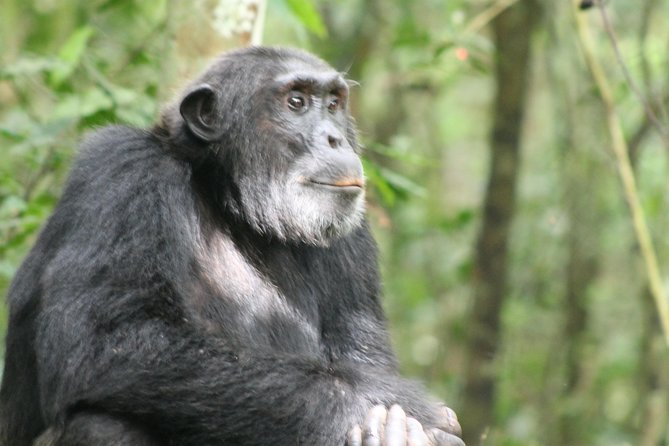
- Budongo Forest offers a chimpanzee trek with possible sightings of colobus monkeys, red-tailed monkeys, baboons, and grey-cheeked mangabeys.
- Bwindi gorilla trekking is the trip’s major event: once you find a gorilla group, your permitted viewing time is one hour.
- Lake Bunyonyi provides a welcome pause after the demanding gorilla walk, with views of small islands from the accommodation.
- This is a private tour for your group: pickup is offered at Entebbe Airport, and the same meeting point is used at the end.
- The $3,000 price buys convenience as well as wildlife access, but you should be ready for long transfers and a tightly packed schedule.
Why this route works, and where it asks patience
This is not a gentle, stay-in-one-lodge safari. It is a cross-country route designed to show you several of Uganda’s best-known wildlife areas in seven days. You get savannah, river, rainforest, highland farms, a rhino sanctuary, and a lake setting without arranging separate transfers yourself.
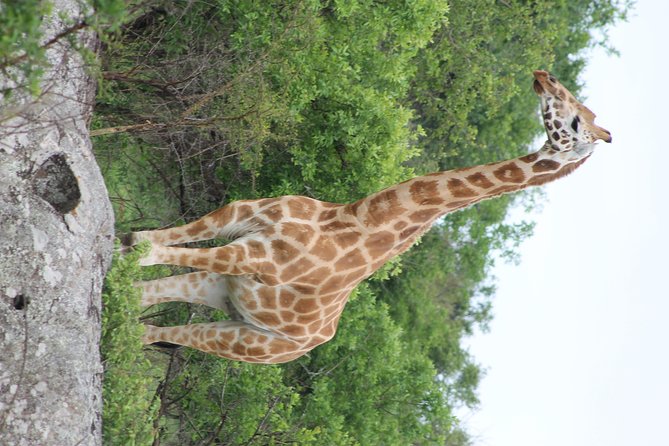
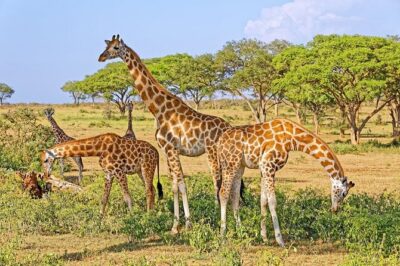
That variety is the strongest reason to consider it. Murchison Falls gives you lions, elephants, giraffes, buffalo, hartebeest, hippos, crocodiles, and many birds. Budongo and Bwindi change the mood completely, replacing open plains with thick forest and guided walking.
The cost is $3,000 per person. That is a serious sum, but the value depends on what has been arranged inside it. Your transport, accommodations, meals, park visits, and private guiding are bundled together, which saves you from managing a complicated series of bookings. The information provided confirms admission tickets for several stops, but it does not spell out every possible fee, so ask directly about gorilla and chimpanzee permits, drinks, tips, and any optional activities before paying.
The schedule is demanding. Day one requires an early arrival in Uganda, ideally before noon. Day seven can finish in the late afternoon or evening, so an outbound flight should be scheduled late in the day. The driving is not a minor side note. One person praised the safe driving and expert wildlife spotting of Stanley, while also warning that the distances are large. That is useful advice: plan for road time, not just park time.
More Gorilla and Chimp Trekking in Kampala:
- 3 Days gorilla trekking Safari tour in Uganda
★ 5.0 · 121 reviews - 8-Day Murchison Falls, Chimp and Epic Gorilla Trekking Safari
★ 5.0 · 72 reviews - 5-Day Pearl of Africa Chimps and Gorilla Trekking Safari
★ 5.0 · 52 reviews
Day one: Entebbe to Murchison Falls, with a rhino stop
Your guide collects you at Entebbe Airport, with the stated start time at 7:00 a.m. The plan is to head north toward Murchison Falls National Park. If your flight arrives after noon, this first day becomes difficult, so arrange an early landing or confirm the timing with Ngoni Safaris Uganda.
The route includes a stop at Zziwa Rhino Sanctuary. Rhino tracking gives the opening day a clear purpose instead of making it only a long transfer. It also adds an animal that is not part of the usual Murchison plains experience.
Murchison Falls National Park is Uganda’s largest national park. Its open grasslands are suited to spotting lions, giraffes, hartebeest, buffalo, and elephants. Near the Nile, hippos and Nile crocodiles become the main attraction.
Birdwatchers have plenty to watch for. The park has about 450 bird species, including the shoebill stork, dwarf kingfisher, white-thighed hornbill, and Goliath heron. You may not see every famous species, of course, but the range gives your guide plenty to work with.
The first day will feel full. You may arrive tired after an international flight and a long road transfer, so think of the park introduction as a preview rather than a full safari day.
Day two: game drive, Nile boat ride, and the falls
Day two is the most varied day in Murchison Falls. After breakfast, you head out early across the plains for a game drive. Morning is a sensible time for this, since the itinerary is built around finding animals before returning for lunch.
Expect the search to focus on lions, giraffes, elephants, buffalo, and hartebeest. The bird list includes the secretary bird and black-chested snake eagle. Wildlife is never guaranteed, but open country gives you a good setting for scanning large areas.
After lunch, you take a boat trip toward the base of Murchison Falls. The river brings a different view of the park. Hippos, crocodiles, and water birds appear at close range along the banks, while the current carries you toward the roar of the falls.
If conditions and energy allow, you can hike to the top. The walk may be strenuous, but the reward is the view and the force of the water as it squeezes through the falls. I would not treat this as a throwaway add-on. After seeing the river from below, reaching the top gives the park a stronger sense of place.
The sensible approach is to wear shoes suited to walking and keep enough energy for the afternoon. If you are tired from the previous day, you can skip the hike, but this is one of the more memorable parts of the route.
Day three: chimpanzees in Budongo Forest
After breakfast, the safari turns south toward Budongo Forest. The drive through rural Uganda is part of the experience, but it also adds another long road section. This is where you need to settle into the rhythm of the trip: breakfast, road, forest activity, meal, and rest.
Budongo is known for its chimpanzee population, estimated here at around 800 animals. Chimpanzee sightings are the main goal, but the forest may also produce black-and-white colobus monkeys, red-tailed monkeys, baboons, and grey-cheeked mangabeys.
The forest is also important for birdwatchers, with more than 360 bird species recorded. Butterflies and plants add to the experience, even if you are mainly focused on primates. The forest has about 24 mammal species, 289 butterflies, and 465 plant species, giving the walk plenty of visual detail beyond the headline animal.
The supplied schedule describes the chimp activity as lasting about 24 minutes, though the wider forest visit and transport take longer. Confirm the exact trek length and timing before departure, since the short stated duration may refer only to a listed activity segment.
After the chimpanzee experience, you return to the lodge for lunch and rest. That break matters. The road schedule is heavy, and a quiet afternoon helps you save energy for the much longer transfer ahead.
More Week-Long Trips around Kampala:
- Private Kilimanjaro Hike 7 Day Lemosho Route
★ 5.0 · 60 reviews - Best Kilimanjaro Adventure 7 days Machame route Trekking
★ 5.0 · 42 reviews - 7-Day: Inca Trail Trek to Machu Picchu Group Tour
★ 5.0 · 40 reviews - Kilimanjaro 7 Day Private Trekking Experience
★ 5.0 · 40 reviews
Day four: a road day toward Queen Elizabeth National Park
Day four is the least action-packed day. You have a relaxed breakfast, then continue south toward Queen Elizabeth National Park, with accommodation arranged for the night near the next stage of the route.
The schedule labels this stop Kampala, but the description says the drive continues to Queen Elizabeth National Park. Confirm the exact overnight location before departure. That small clarification matters because Uganda’s road distances are large, and the location of your lodge affects both comfort and the following morning.
There is no major wildlife activity listed for this day. Treat it as a transfer and recovery day rather than expecting another game drive. The reward is reaching the southwestern part of Uganda without trying to force the journey into one exhausting push.
You may cross changing scenery as the route moves away from Murchison’s open plains. The next day includes the Equator area, Mbarara, savannah, banana plantations, and the Kigezi Highlands. This gives you a good sense of Uganda beyond the parks, though the road itself takes much of the day.
Day five: the long approach to Bwindi
Your guide collects you from the accommodation and drives toward Bwindi Impenetrable National Park. The route crosses the Equator, passes through Mbarara for lunch, and continues through savannah country toward the forest.
The scenery changes in stages. You pass banana plantations, see long-horned Ankole cattle, and climb toward the Kigezi Highlands. The highland roads and steep terrain prepare you for the thick forest around Bwindi.
Bwindi is a major habitat for mountain gorillas, with more than 300 noted in the information provided. Your arrival here sets up the most important activity of the trip, so the long drive has a clear purpose.
This day is another reason to choose your flight and schedule carefully. You do not want to arrive in Uganda late, lose the first day, or place pressure on the transfers. The itinerary works best when you accept that the road connections are part of the safari.
The accommodation near Bwindi is especially important. One person singled out the final two nights, including the gorilla camp and the lake stay, as the best lodging of the week. That suggests the end of the trip offers a welcome rise in comfort after several driving days, though you should still ask exactly where you will stay and what room category is included.
Day six: gorilla trekking, then Lake Bunyonyi
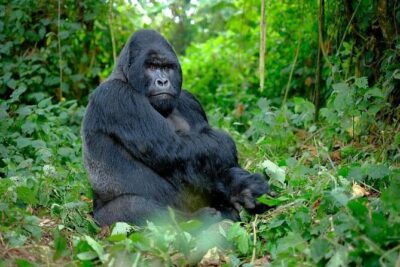
Gorilla trekking begins after an early breakfast and a briefing from a ranger guide. You enter the forest on foot, following animal trails through steep, dense terrain. The distance and difficulty depend on where the gorilla group has moved.
Once you locate the group, you receive one hour in its presence. That limit is important. This is not a casual zoo-style encounter. It is a carefully controlled visit that gives you time to watch the animals while keeping pressure on the group as low as possible.
The physical effort can be serious. Bwindi is thick, steep, and wet in character, and the route changes according to the gorillas. You should be prepared for uneven ground and a walk whose length cannot be promised in advance. The information confirms that most people can participate, but anyone worried about fitness should discuss the trek with the operator before booking.
After returning to the lodge, you have lunch and transfer to Lake Bunyonyi. The change is welcome. The forest walk demands concentration and energy, while the lake offers a quieter setting with views of its small islands.
The Bunyonyi stay is one of the strongest comfort points in the itinerary. You get a chance to slow down, enjoy the view, and let the day’s gorilla experience settle in. After so much driving and walking, that pause is not wasted time.
Day seven: Lake Bunyonyi to Entebbe
The final morning begins with breakfast and views across Lake Bunyonyi. Then you start the return drive to Entebbe Airport.
The route includes a lunch stop in Mbarara and the Equator line at Kayabwe if you did not stop there earlier. The Equator stop is useful for photos and gives you a chance to look for local art pieces. It is a simple roadside pause, but it breaks up the long trip.
Arrival is expected in the late afternoon or evening. If you fly out that day, choose a late afternoon or evening departure. I would not pair this itinerary with an early flight, since road conditions and transfer timing can change.
This final day makes clear that the safari is a loop rather than a short park visit. You see far more of Uganda, but you give up spare time. If you prefer slow mornings and several nights in one place, a longer trip would suit you better.
Guides, comfort, and private touring
The safari is private, so only your group takes part. That gives you more control over stops, rest breaks, and the pace of wildlife viewing than a large shared vehicle usually allows.
Guide quality matters a great deal on a route like this. James is praised for taking care of the group and watching their comfort throughout the journey. Stanley is described as a skilled game spotter and safe driver. Confirm who will guide your particular departure, since the named guide may depend on dates and availability.
Accommodation is described as adequate overall, with especially strong praise for the gorilla camp and Lake Bunyonyi stay. Meals are included throughout the seven-day safari, and the food at the lodges is described as good. That removes one daily decision, though drinks and personal purchases should be confirmed separately.
Pickup is offered, mobile tickets are available, and confirmation is provided at booking. Service animals are allowed, public transportation is nearby, and the activity is described as suitable for most people. Those details help with planning, but the gorilla trek itself remains the part to assess honestly against your own fitness.
Is $3,000 a fair price?
At $3,000 per person, this is not a budget safari. Still, you are paying for a private seven-day route, multiple national parks and reserves, guiding, road transport, accommodation, meals, and access to Uganda’s two major primate experiences.
The price makes more sense if you value convenience. Planning Murchison Falls, Budongo, Bwindi, Lake Bunyonyi, and Zziwa independently would require careful coordination of vehicles, park access, accommodation, and timing. Here, the operator handles the full route.
The main value question is what permits and fees are included. The supplied details show admission tickets for several stops, but they do not clearly list every permit. Ask for a written breakdown before booking, especially for chimpanzee trekking, gorilla trekking, accommodation standards, and optional activities.
This safari is often booked about 119 days ahead. That suggests you should not leave planning until the last moment, particularly if your dates are fixed or the gorilla trek is the central reason for coming to Uganda.
Who should book this Uganda safari?
I would choose this trip if you want Uganda’s biggest wildlife highlights in one organized package and do not mind long drives. It suits someone who values private guiding, included meals, and a strong mix of animals rather than one single park.
It is also a good fit if gorillas and chimpanzees are your priority. The itinerary gives each primate encounter its own forest setting, then adds open-country wildlife at Murchison Falls.
I would be more cautious if you dislike early starts, road transfers, or changing accommodation. The route is ambitious for seven days. It is also not the best match if you want several unplanned afternoons or a slow, resort-style holiday.
Cancellation is generous only up to three full days before the start time. Within three days, the payment is not refunded and changes are not accepted. Keep that deadline in mind when booking flights and arranging time off work.
Should you book it?
Book this safari if you want a concentrated introduction to Uganda and the chance to combine lions, elephants, rhinos, chimpanzees, gorillas, hippos, and forest birds in one week. The strongest moments should be the Nile boat trip, the gorilla hour in Bwindi, and the quiet recovery at Lake Bunyonyi.
Before you commit, confirm the exact lodging, all permits and fees, the day four overnight location, and the expected driving times. If those details are clear and you can handle the road mileage, $3,000 can be a fair price for a private, fully arranged wildlife trip. If you need more rest, add days rather than trying to squeeze more into this already busy route.
FAQ
Where does the safari start?
The safari starts at Entebbe Airport in Uganda. Pickup is offered, and the stated start time is 7:00 a.m.
Where does the safari end?
The activity ends back at the Entebbe Airport meeting point. Arrival is expected in the late afternoon or evening on day seven.
How long is the safari?
The experience lasts approximately seven days.
Are meals included?
Yes. All meals are included during the seven-day safari.
Is this a private tour?
Yes. Only your group takes part in the activity.
How long do you spend with the gorillas?
Once your group locates the gorillas, you are allowed one hour in their presence.
When can you cancel for a full refund?
You must cancel at least three full days before the experience start time for a full refund. Cancellations within three days are not refunded, and changes within that period are not accepted.
Just added around Kampala
- 3 Days Gorilla trekking tour★ 3.5 · 10 reviews
- Gorilla trekking★ 5.0 · 16 reviews
- Rwenzori Mountains Trekking with Margherita Peak Summit★ 5.0 · 13 reviews
- 9 day Gorilla Trekking, Chimpanzee & Wilderness Safari (mid-range)★ 5.0 · 8 reviews
- 4 Day Gorilla Trekking & Golden Monkeys★ 5.0 · 18 reviews
- 8-Day Murchison Falls, Chimp and Epic Gorilla Trekking★ 5.0 · 32 reviews
- Day Tour Of Ziwa Rhino Sanctuary and Wildlife Ranch – ZIWA RHINO TREKKING★ 4.5 · 10 reviews
- 5 Day Gorillas, Wildlife and Kalinzu Forest Chimp Trek★ 5.0 · 27 reviews
Kampala Hiking Tours, compared.
3 Days gorilla trekking Safari tour in Uganda
Read our review →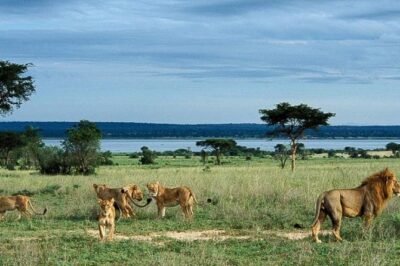
8-Day Murchison Falls, Chimp and Epic Gorilla Trekking Safari
Read our review →
5-Day Pearl of Africa Chimps and Gorilla Trekking Safari
Read our review →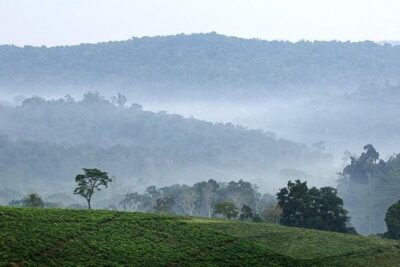
3-Day Tour to Uganda – Gorilla Trekking Bwindi Forest
Read our review →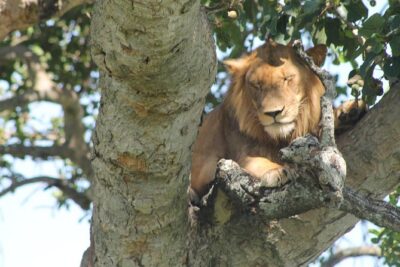
4-Day Uganda Gorilla Trekking and Wildlife Safari
Read our review →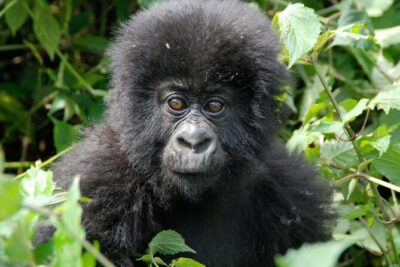
Private 3 Day Gorilla Trekking Safari in Uganda
Read our review →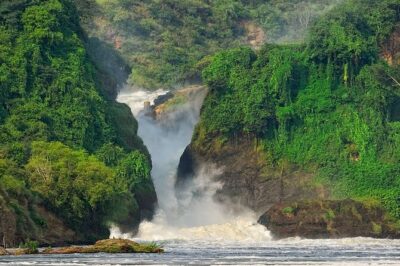
15-Day Gorilla and chimps Trekking, Big 5 and Nature Sighting Safari
Read our review →Browse the lists this tour appears in